Hektor wrote: ↑Mon May 11, 2026 10:18 am
While that is not completely impossible, I doubt the practicability of it. Especially in a room with windows.
For Euthanasia lethal overdose injection is the most feasible. That was also available technology, and it is also how Euthanasia is practiced nowadays with or without legality.
These rooms were not panic proofed. Drywall and tile isn't going to hold people in for homicidal gassing, especially not lunatics.
As far as I know the terminally ill, the severely retarded and lunatics were the main groups to be euthanized under both t4 and 14f13.
If I were to guess why no t4 personnel were chosen to perform gassing that had experience with gassing, it would be because THERE WERE NONE.
Yes, that appears to have been the case. And the motivation for euthanasia doesn't seem to have been 'eugenics' as is often suggested. It was rather that given that there was a major war going on, medical resources would become scarce. So, reducing the number of those that were permanently consuming larger amounts of medical resource that were now needed urgently elsewhere made economic sense.
That is of course ignored by many critiques. They imply a general disrespect of live by National Socialist, which was simply not true as alleged. Otherwise, the expansion of governmental and civil society welfare programs can't be explained.
That the Euthanasia allowance was retracted after protests from e.g. church figures also shows that this wasn't fundamental policy. Ironically it was a concession to the otherwise minor progressive wing within the NSDAP represented by figures in the SS, but also Bormann and others. The run of the mill NSDAP member was socially conservative and that would include figures like Hitler, Goering and most of the lieutenants and functional leaders.
The retraction also shows that civil society actually meant something at the time. This is in striking contrast to post 1945. Abortion was legalized in Germany under the new regime, despite protests from the churches and other civil society groups. And let's face it, abortion commonly kills potentially healthy humans, not people that are suffering from disease for years with no improvement to be expected.
In that light one should also ask what happened to the terminally ill, lunatics severely retarded in e.g. Britain at the time. Strange how we almost never hear about his.
If I understand the policy correctly, the point was for people to reach their maximum collectively, the German people to grow, as a healthy and wise civilization, and to remove life unworthy of life. To end suffering of people who were incurable, and to end it for the violently insane and empty headed. Catatonic retards, completely non functional. Literal useless eaters.
I stand ready to be corrected, but, I don't think the limited resources from the war were the issue, especially when I look at the attempt to make Auschwitz a hub for Polish Healthcare.
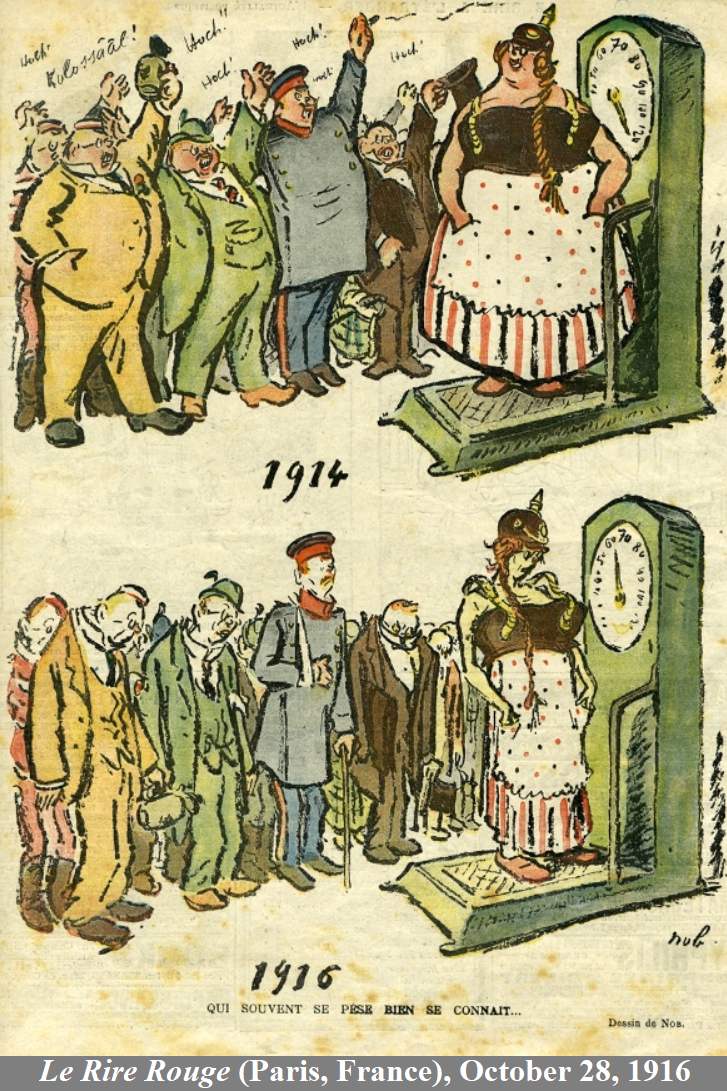
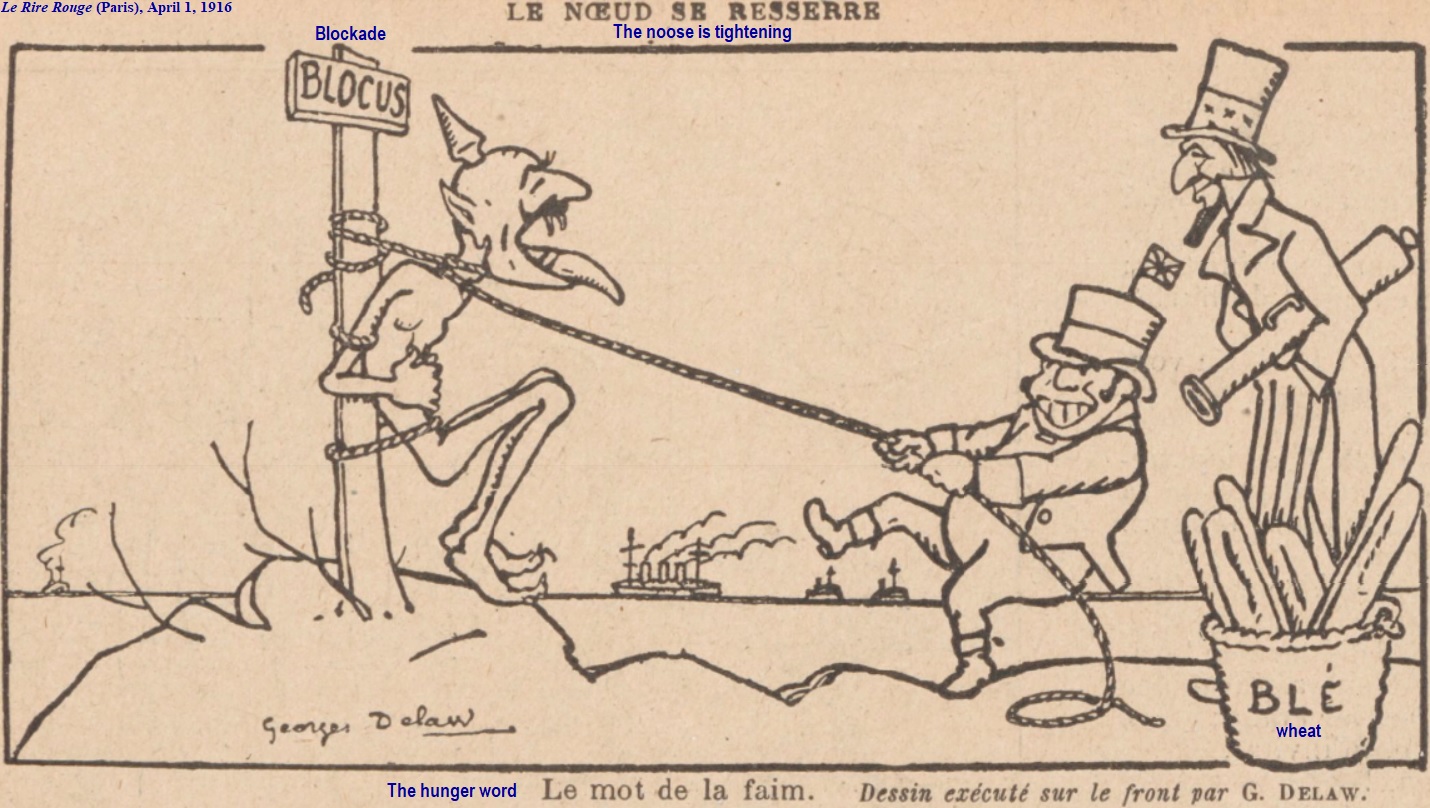
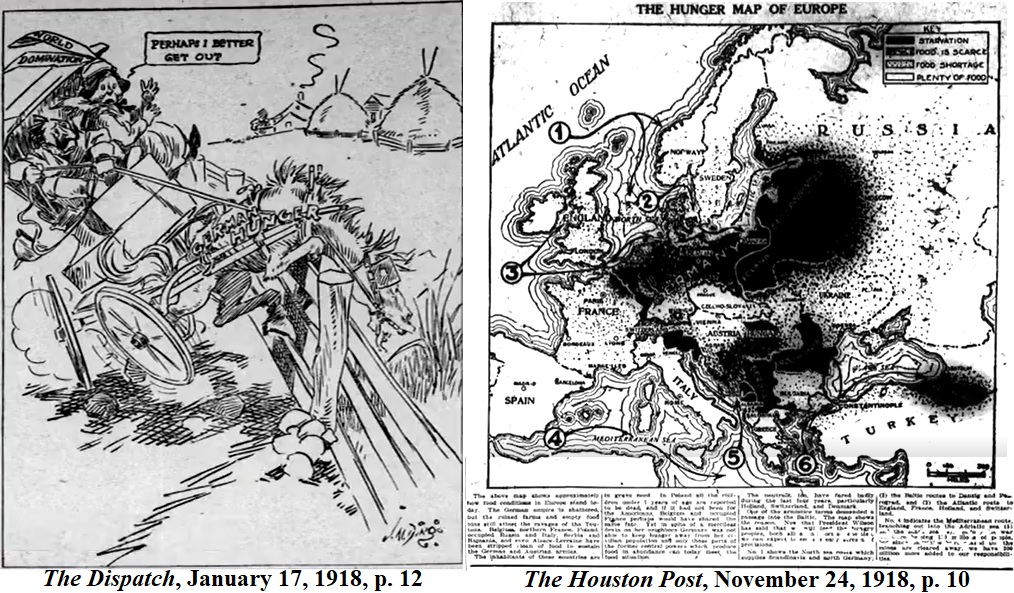
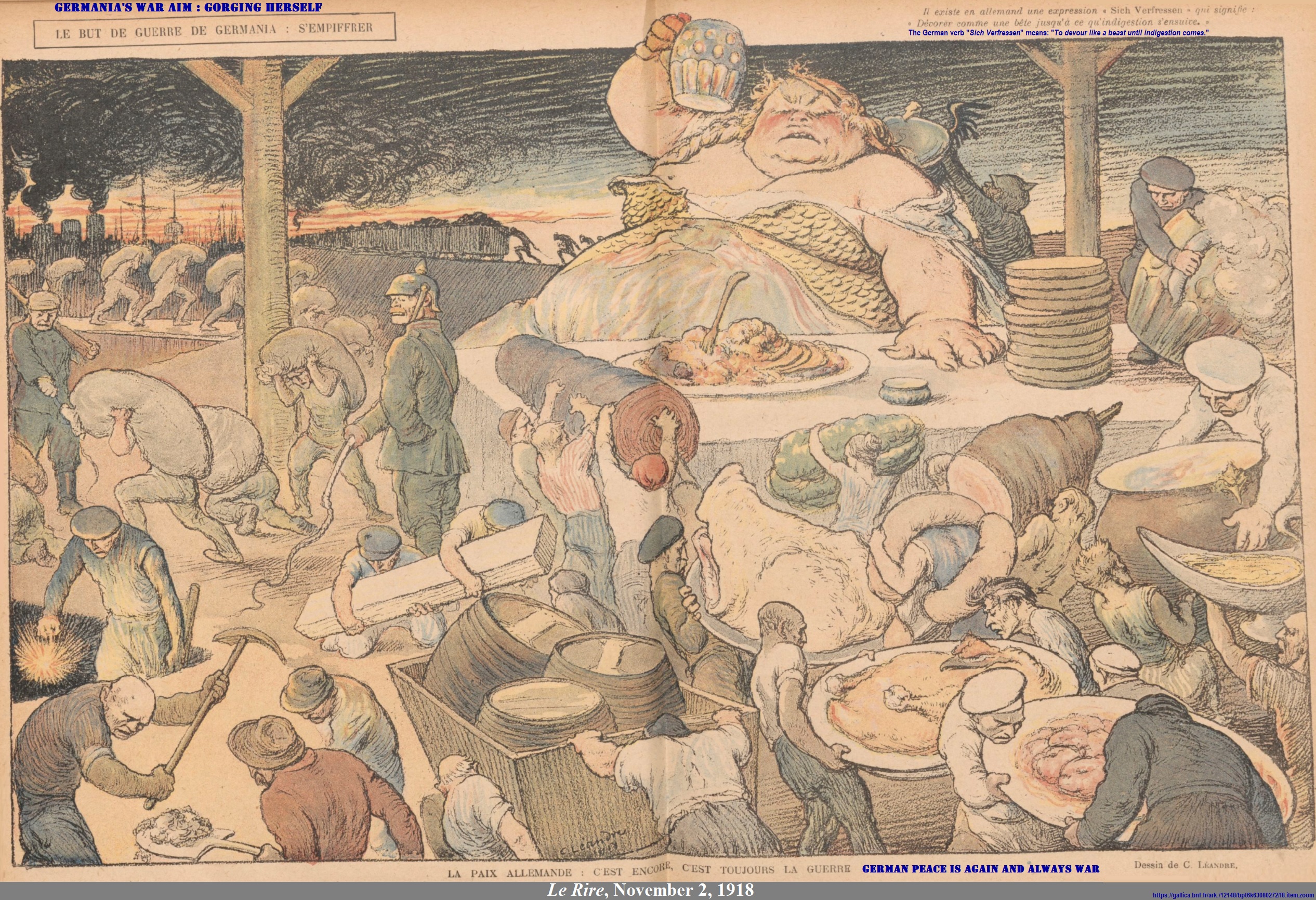
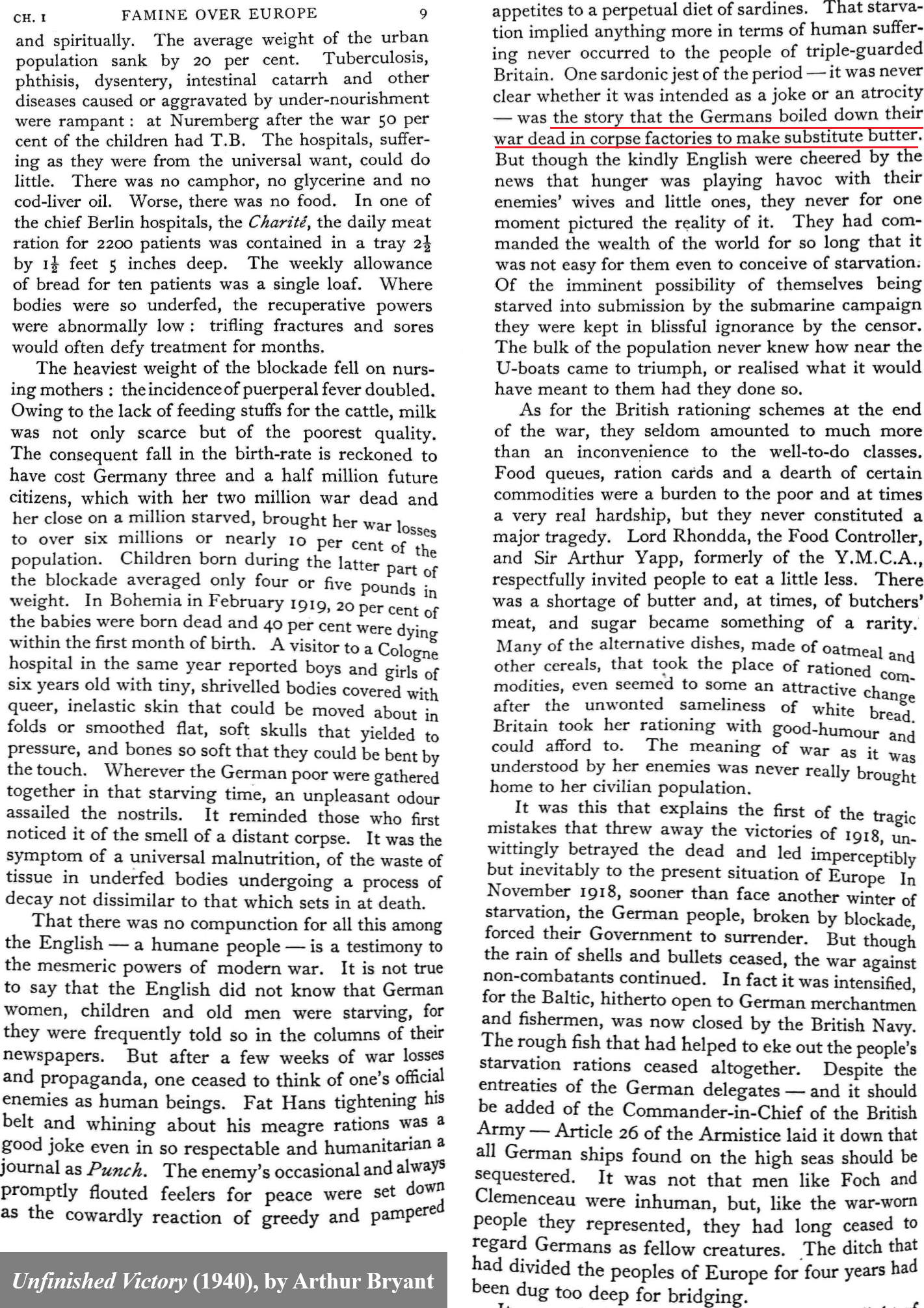
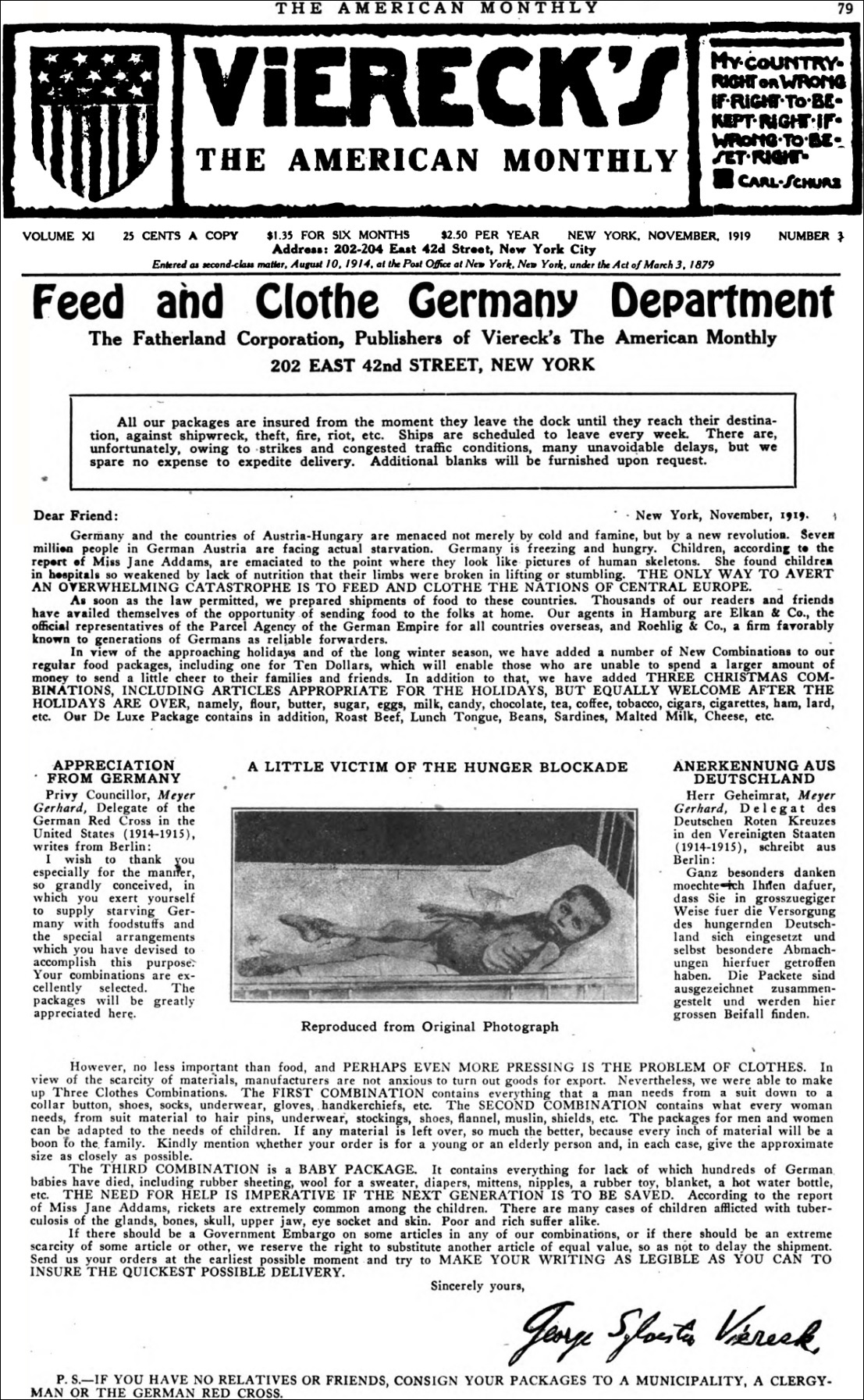
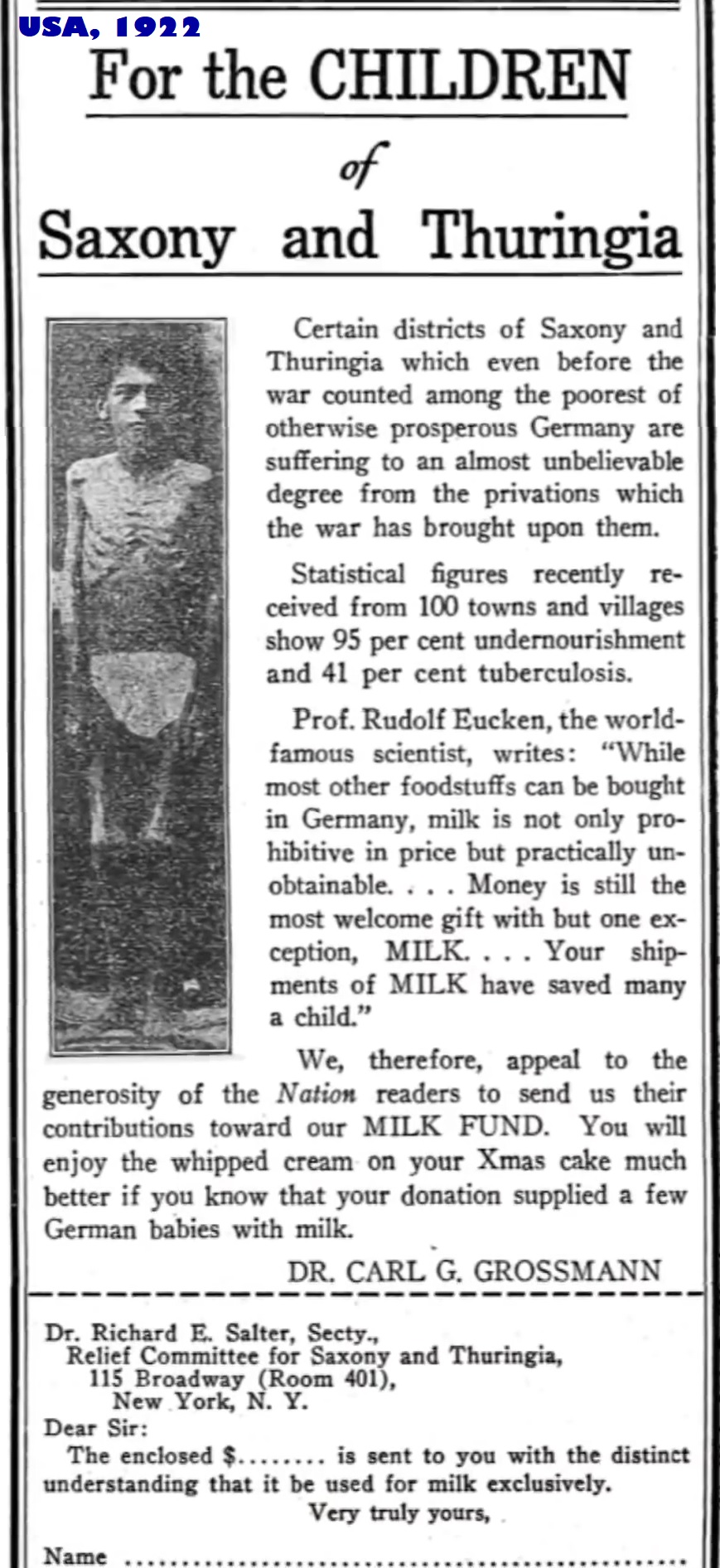
Ironically, twice as many patients of German and Austrian asylums --- around 140,000 !!! --- painfully died of slow starvation and infectious diseases caused by the illegal Allied blockade of the Central Powers during the First World War. That's what the sanctimonious anti-Nazi 'good guys' and Christian bigots call "a dignified death in accordance with the humanitarian principles of civilization and God," I guess...
Google's AI says:
Research indicates that a high number of patients, often cited as over 140,000, died in German and Austrian psychiatric institutions during the First World War.
Death Toll: A widely cited statistic is that roughly 140,234 asylum patients died in Germany during World War I.
Causes: The primary causes of these deaths were severe malnutrition and starvation due to food shortages, alongside infectious diseases like tuberculosis.
Conditions: Asylum care during the war was marked by extreme neglect, with high overcrowding, lack of staff, and very little food.
Contextual Factors: Many institutions were converted into military hospitals, exacerbating the overcrowding and scarcity of resources for the existing residents.
Mortality Rates: In some regions, asylum death rates rose from pre-war levels of about 10% to over 20% by the end of the war.
These victims were largely considered "invisible" casualties of the war, and their deaths were largely attributed to the general collapse of the wartime supply.
"Holocaust deniers are very slick people. They justify everything they say with facts and figures."
Eye of Zyclone wrote: ↑Tue May 12, 2026 2:16 pm
Ironically, twice as many patients of German and Austrian asylums --- around 140,000 !!! --- painfully died of slow starvation and infectious diseases caused by the illegal Allied blockade of the Central Powers during the First World War. That's what the sanctimonious anti-Nazi 'good guys' and Christian bigots call "a dignified death in accordance with the humanitarian principles of civilization and God," I guess...
Google's AI says:
Research indicates that a high number of patients, often cited as over 140,000, died in German and Austrian psychiatric institutions during the First World War.
Death Toll: A widely cited statistic is that roughly 140,234 asylum patients died in Germany during World War I.
Causes: The primary causes of these deaths were severe malnutrition and starvation due to food shortages, alongside infectious diseases like tuberculosis.
Conditions: Asylum care during the war was marked by extreme neglect, with high overcrowding, lack of staff, and very little food.
Contextual Factors: Many institutions were converted into military hospitals, exacerbating the overcrowding and scarcity of resources for the existing residents.
Mortality Rates: In some regions, asylum death rates rose from pre-war levels of about 10% to over 20% by the end of the war.
These victims were largely considered "invisible" casualties of the war, and their deaths were largely attributed to the general collapse of the wartime supply.
....
That's indeed the context that gets ignored, when the decision to allow euthanasia was indeed influenced by people that had experience with the situation of world war two and afterwards.
The WW2 euthanasia death toll is possible totally inflated as well covering virtually any death case BRD-historiographers can fit remotely into that scheme. So you will get anyone added that e.g. died of heart failure, as suspected cases of heart failure may actually been euthanasia cases. One can notice that when looking at the mode of proof used in cases promoted as 'euthanasia victims'.
Meanwhile the NS-government was far softer to public pressure than the post-war regime was in the case of abortion.
Hektor wrote: ↑Mon Jun 01, 2026 2:06 am
That's indeed the context that gets ignored, when the decision to allow euthanasia was indeed influenced by people that had experience with the situation of world war two and afterwards.
The WW2 euthanasia death toll is possible totally inflated as well covering virtually any death case BRD-historiographers can fit remotely into that scheme. So you will get anyone added that e.g. died of heart failure, as suspected cases of heart failure may actually been euthanasia cases. One can notice that when looking at the mode of proof used in cases promoted as 'euthanasia victims'.
Decontextualization and blatant double standards are central to the historiography of the Second World War and the Holocaust. I wonder if the Church would have condemned the T4 euthanasia program if it had been carried out in a civilized way, that is, by dropping incendiary bombs on millions of civilians from airplanes.
Hektor wrote: ↑Mon Jun 01, 2026 2:06 am
Meanwhile the NS-government was far softer to public pressure than the post-war regime was in the case of abortion.
Yes, that's true. The genocide of the White race is patently a top priority in the vassal states of Judea. No amount of protests can deter the Epstein Class from perpetrating it as fast and efficiently as possible.
"Holocaust deniers are very slick people. They justify everything they say with facts and figures."
The same (German) bishops that protested Euthanasia during WW2 also protested treatment of Germans after WW2, at least for a while. There were no protests against letting patients die in British hospitals and asylums. Although older Brits confirmed to me that this was the case.
The mainline post war churches all totally cucked on such issues, while there were some halfhearted protests against e.g. legalizing abortion. The social conservative people lost out completely in all Western European main-line churches and most clerics are nowadays cucked and often preaching woke stuff.