Why the huge difference in the German camps and the so called 'death camps' at the war's end?
Posted: Thu Jun 25, 2026 8:48 am
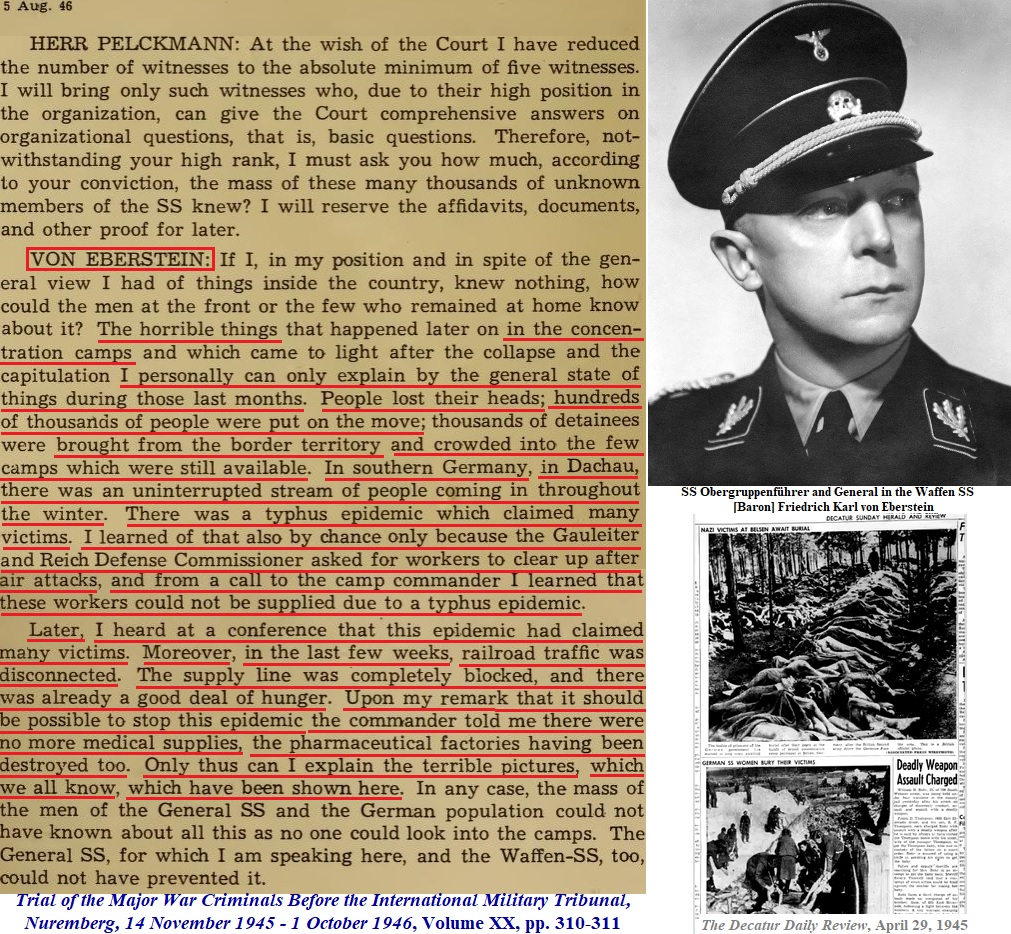
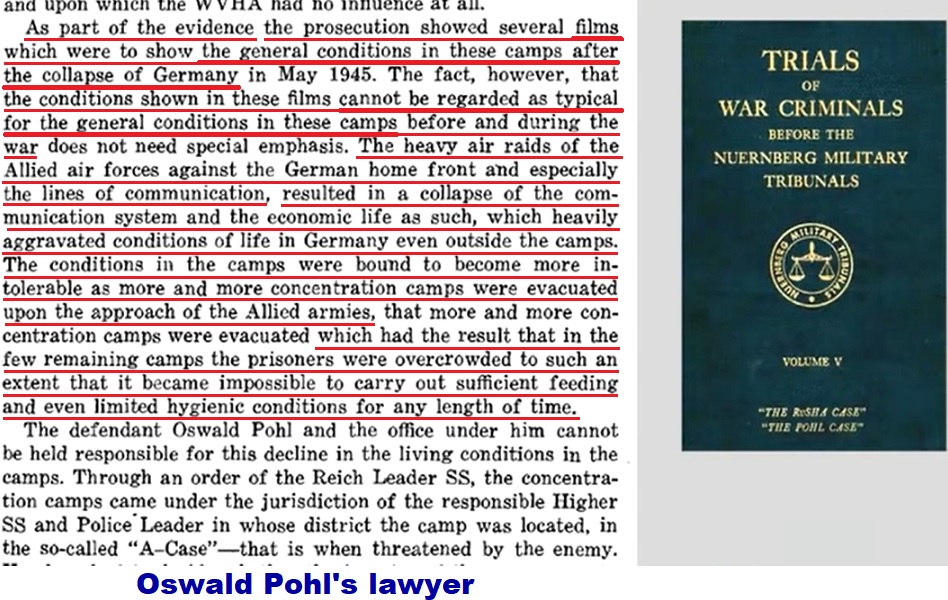
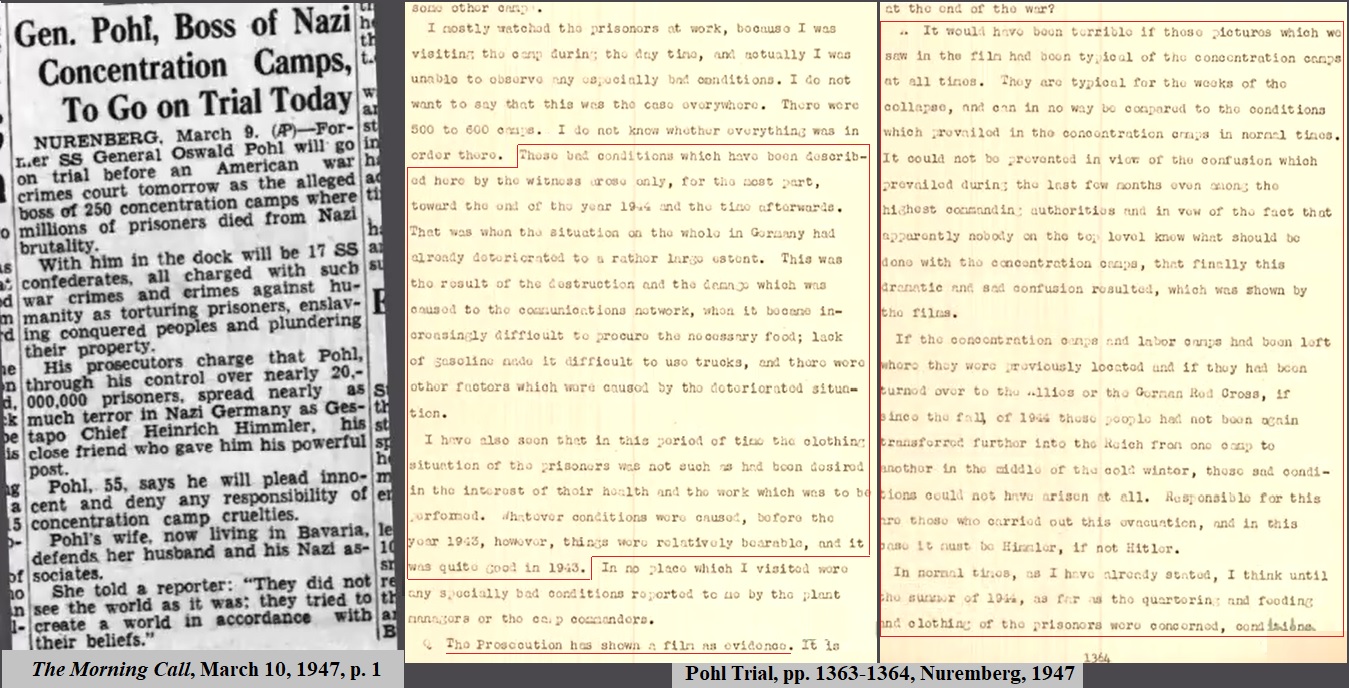
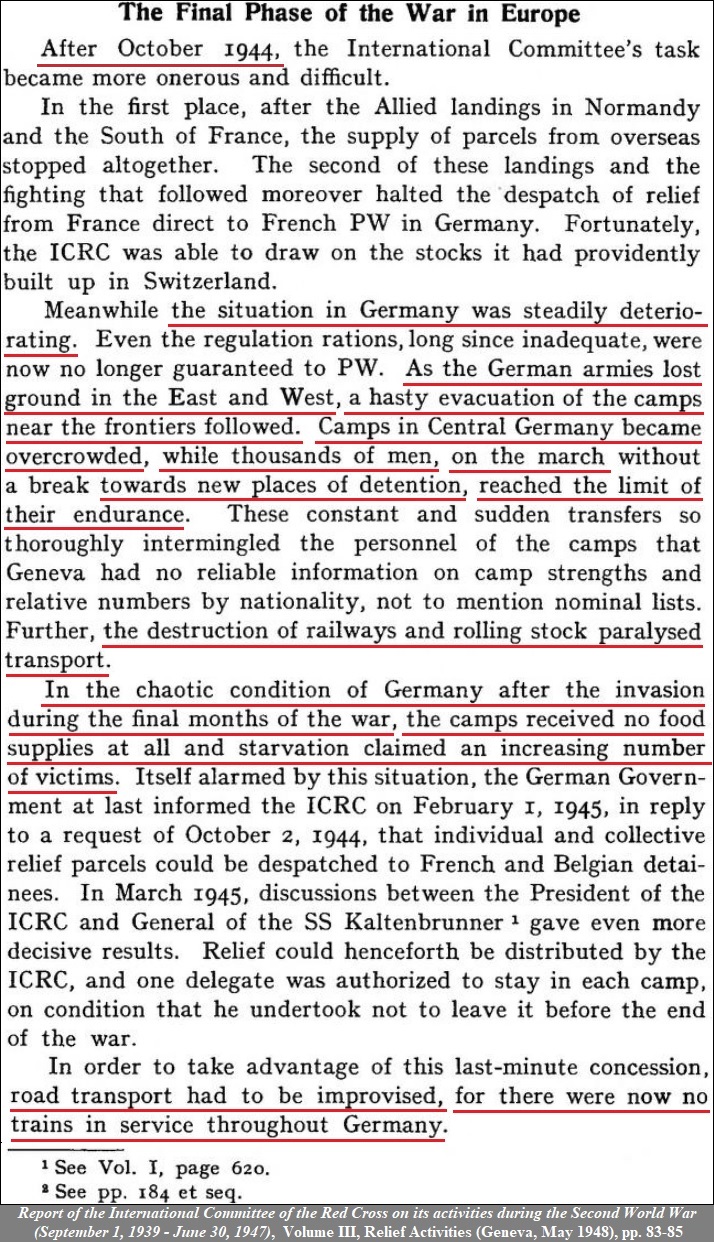
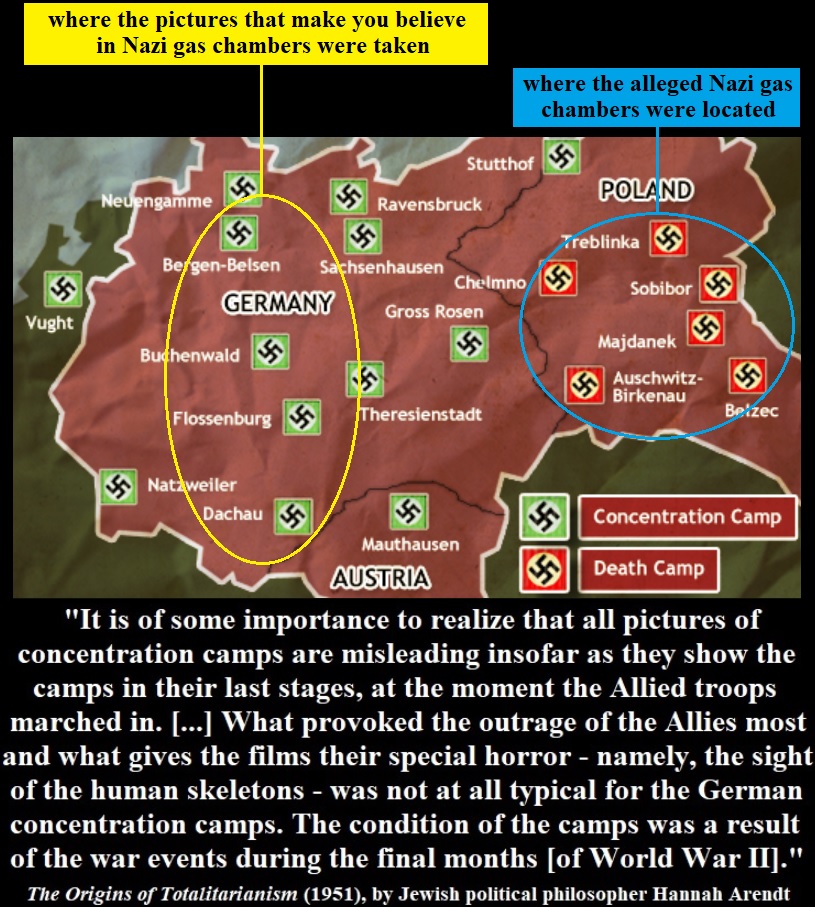
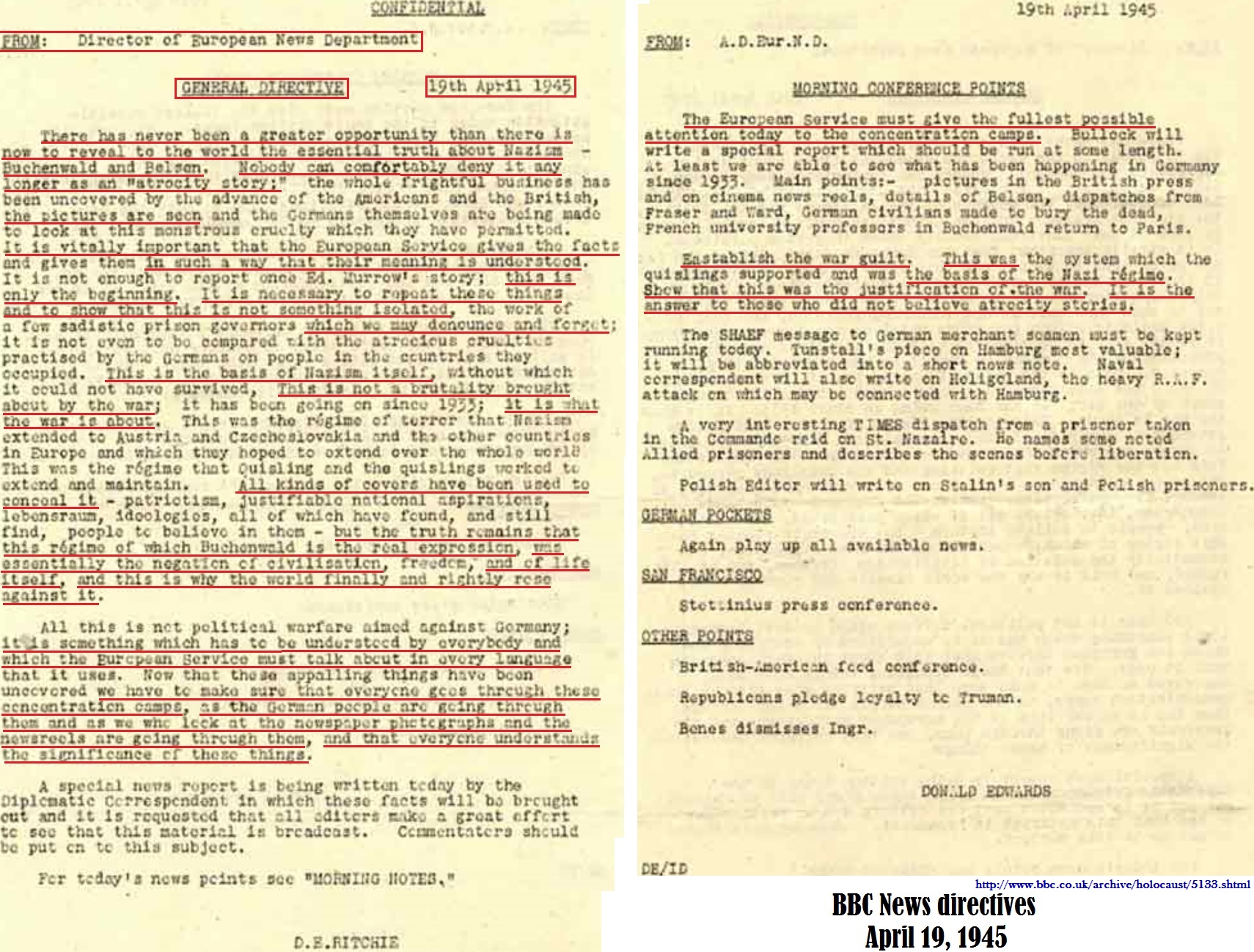
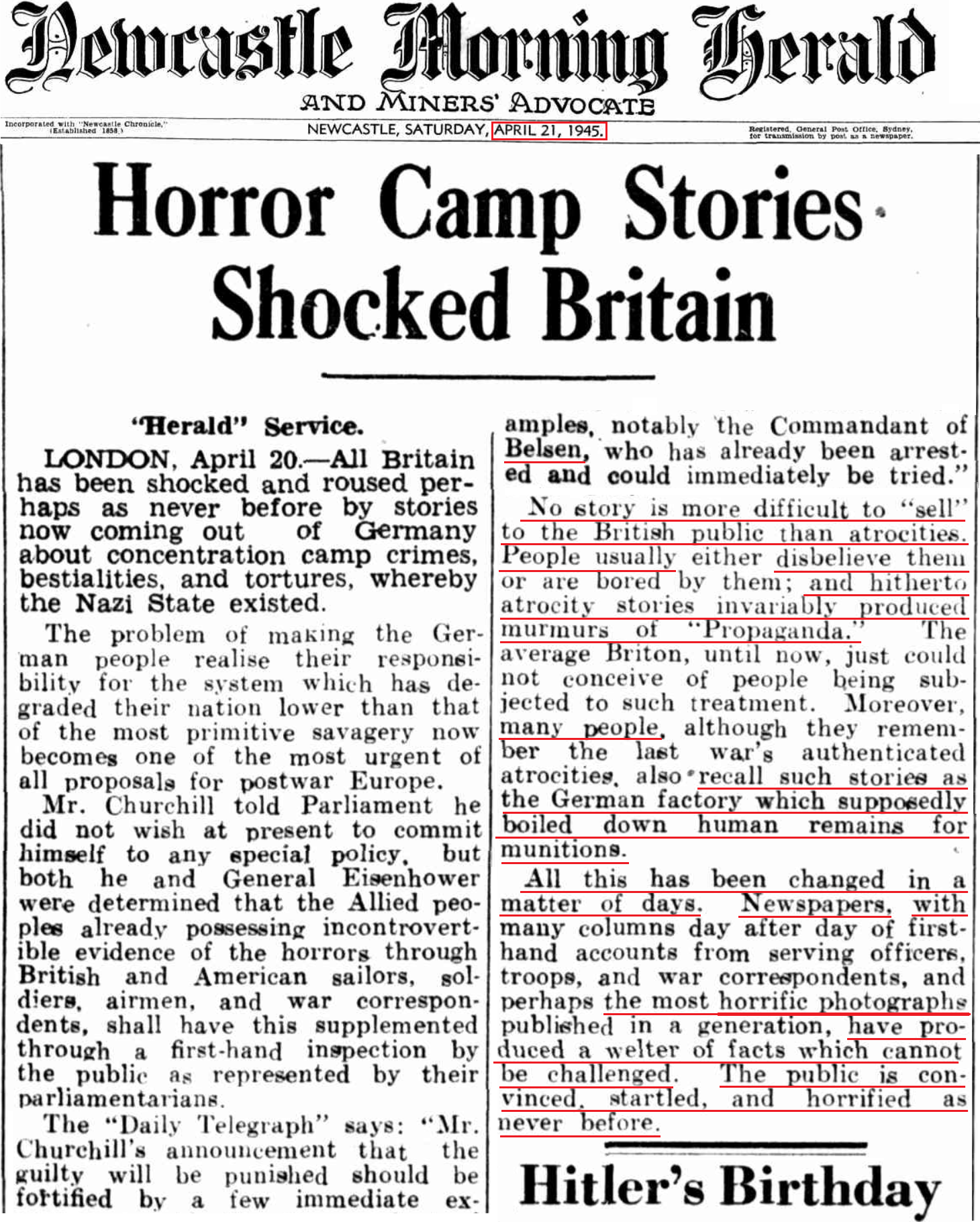
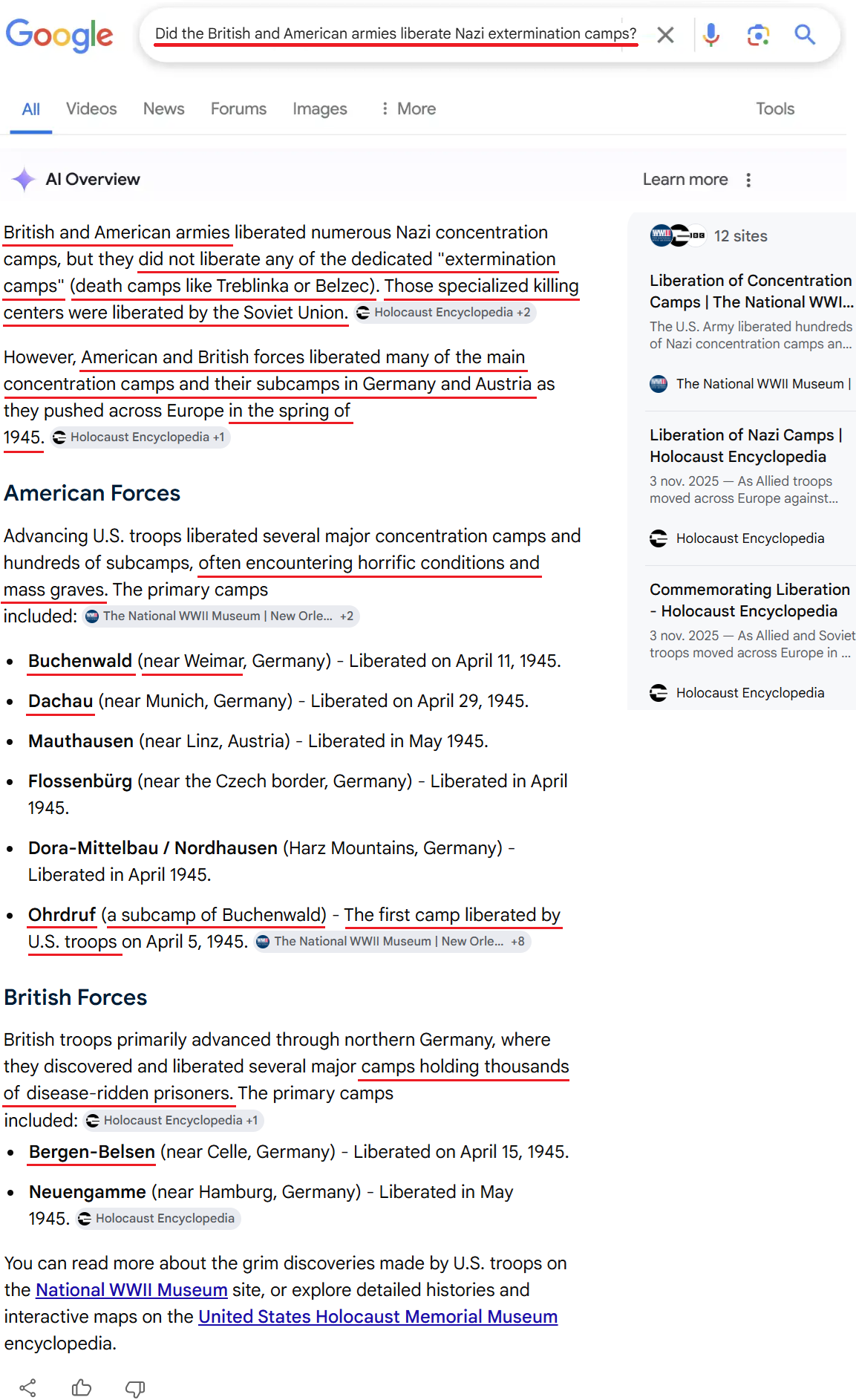
So what has come out of general answers to the topic about the SS killing jews at the war's end is that it became obvious that there are questions to be asked about the huge disparity between the state of the camps in Germany such as Belsen and Buchenwald, and the camps where it is claimed millions were deliberately murdered such as Majdanek and of course Auschwitz.
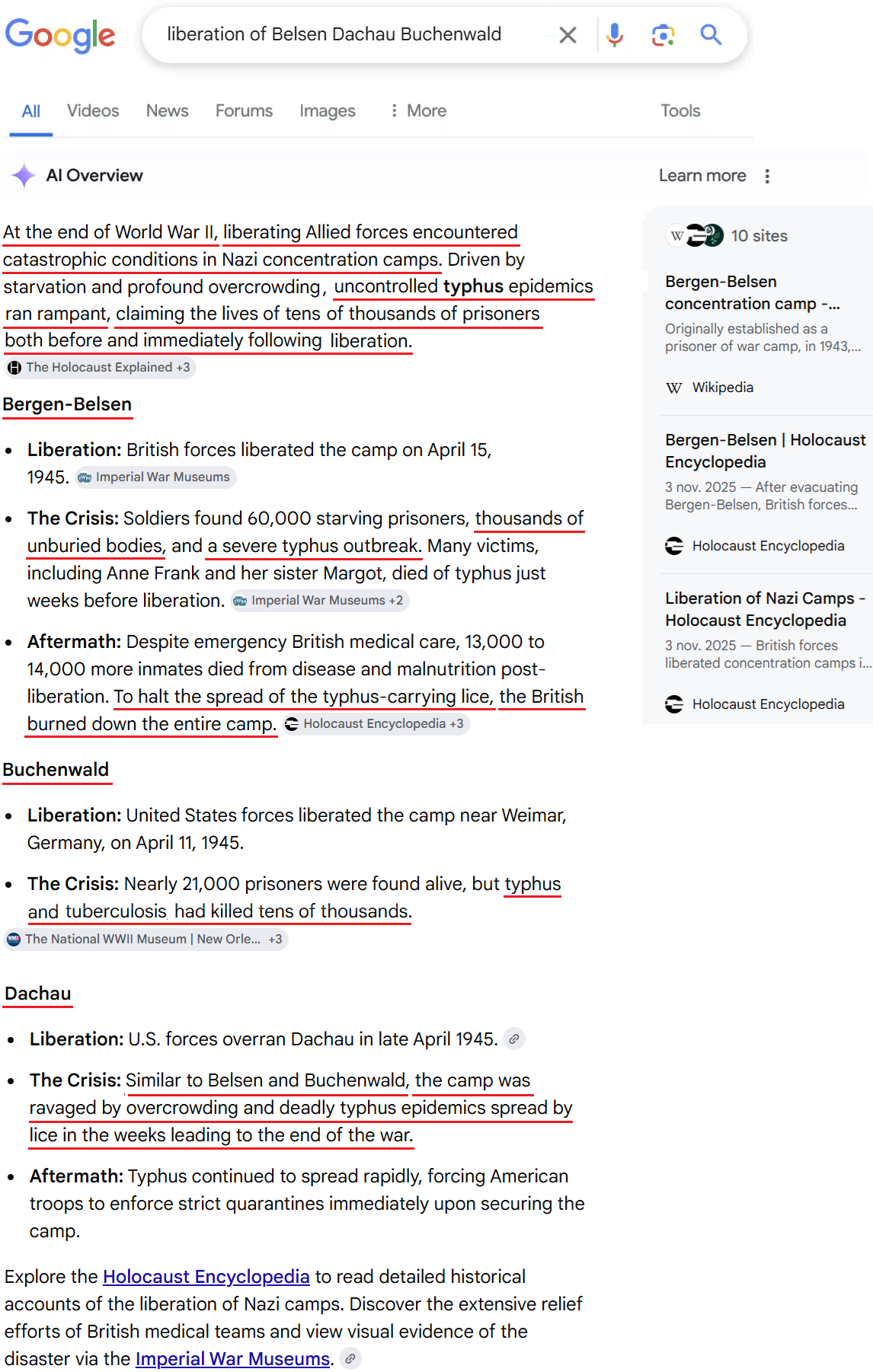
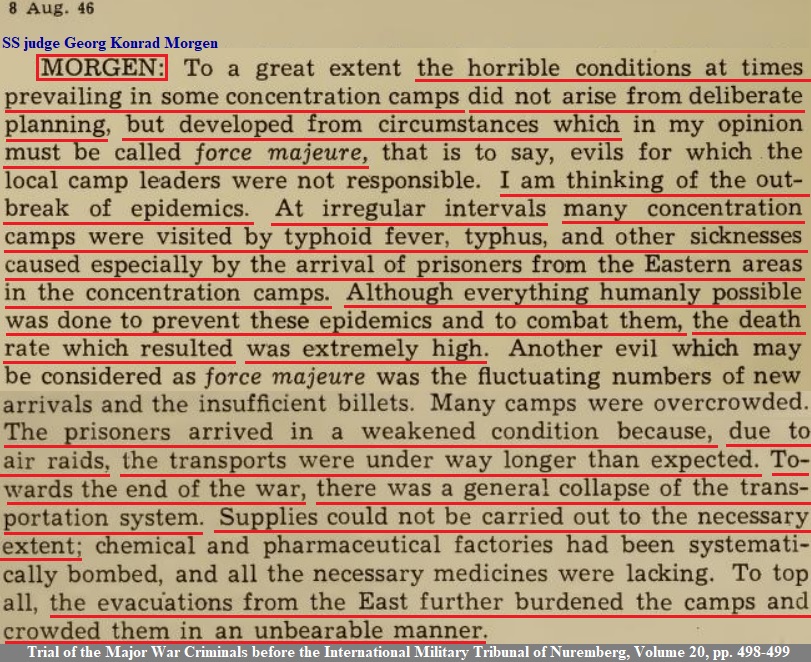
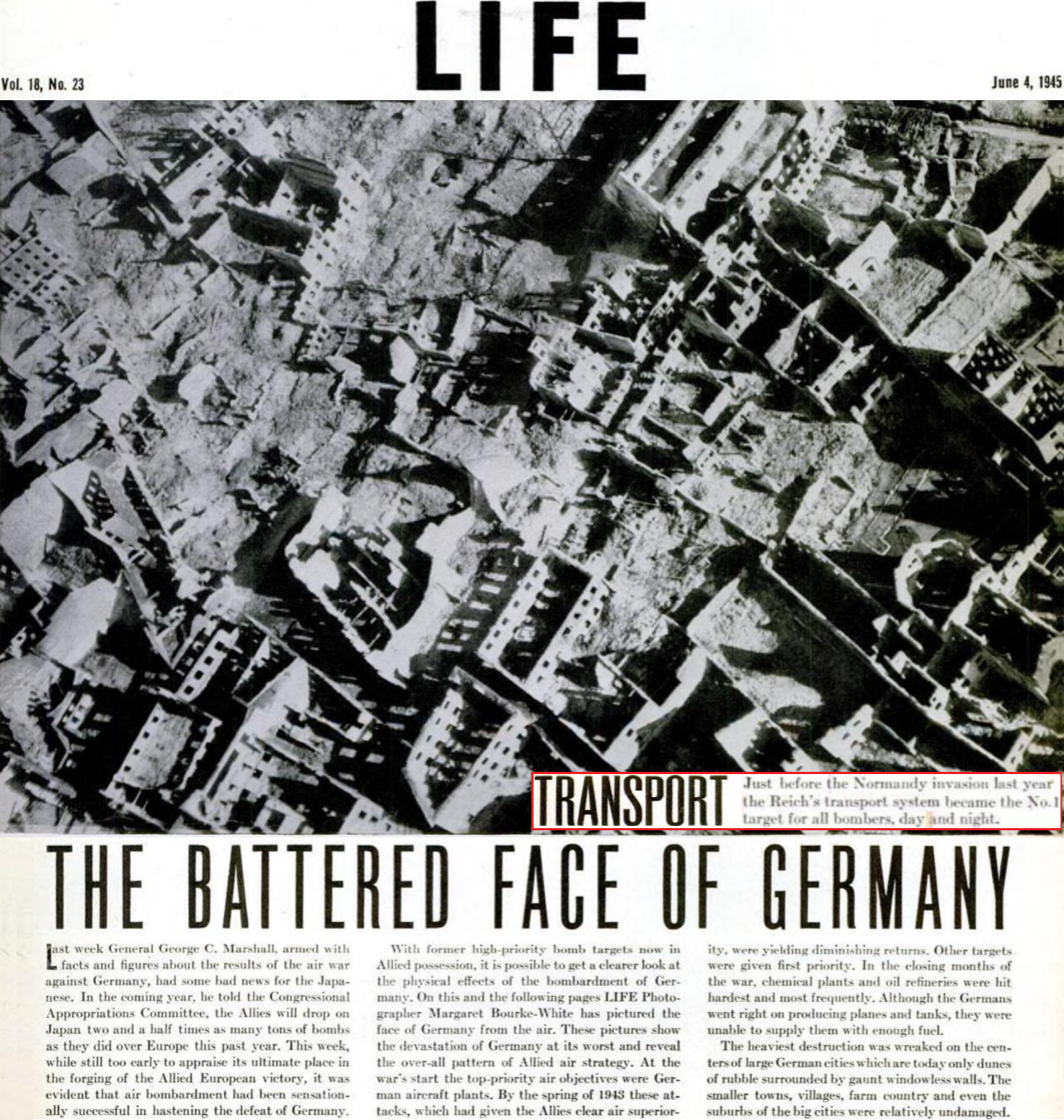
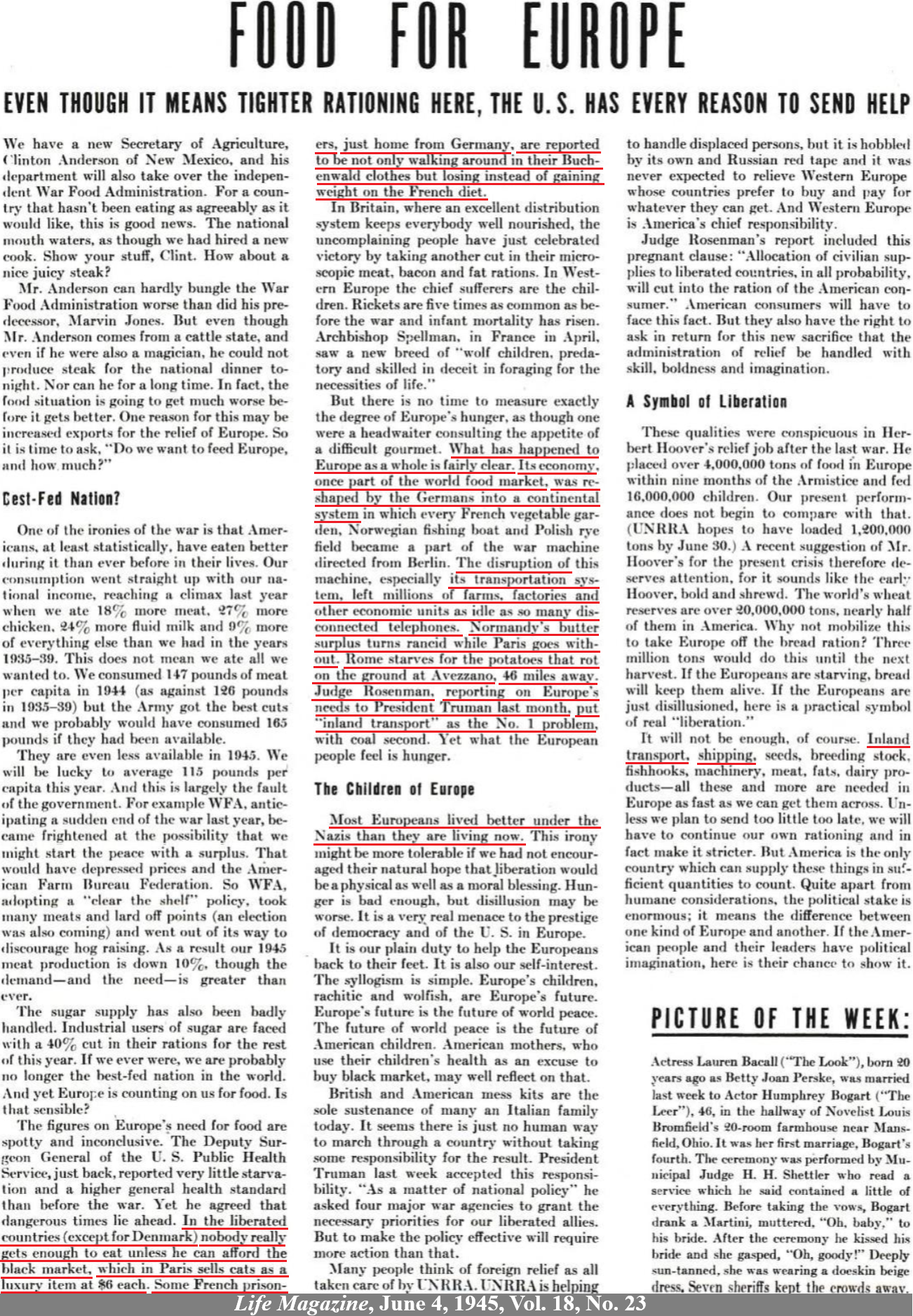
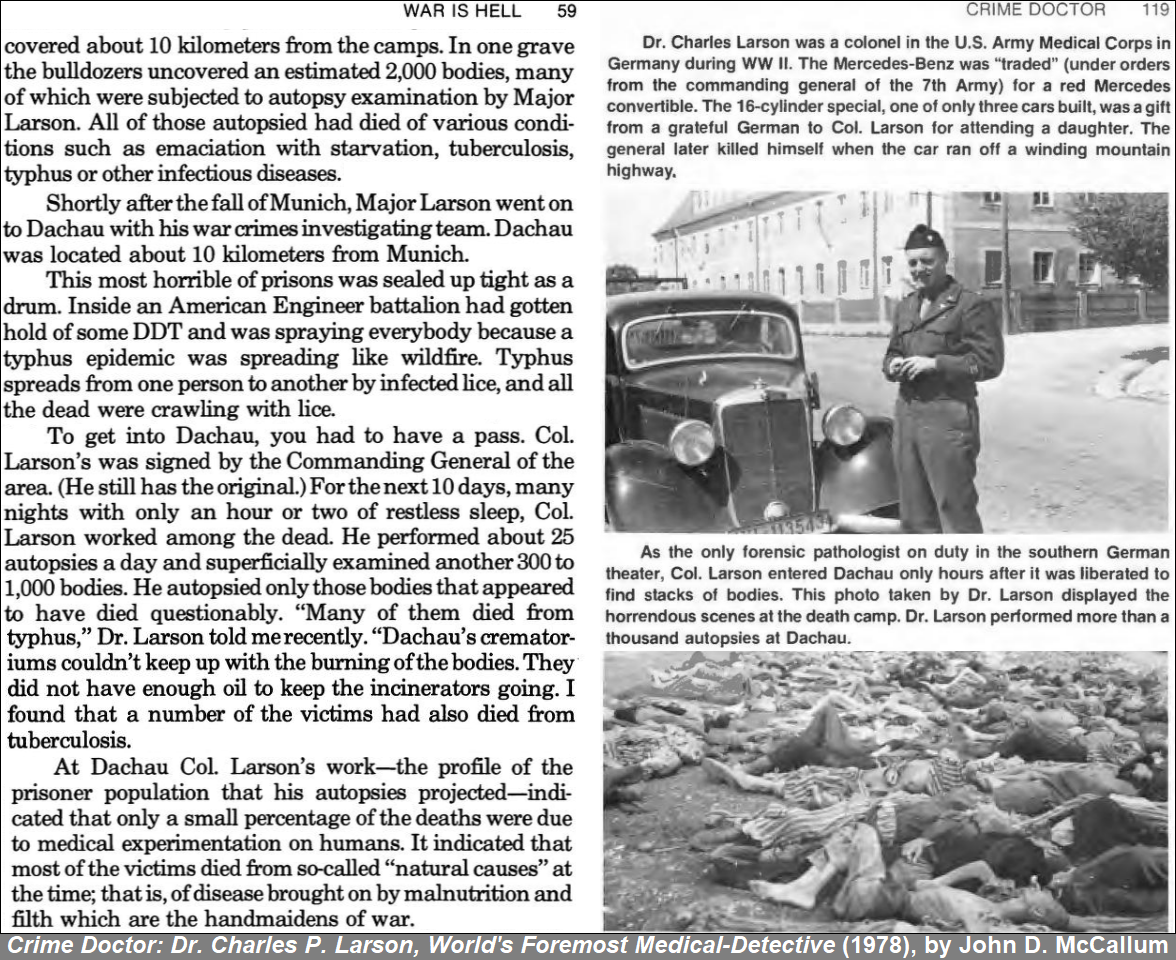
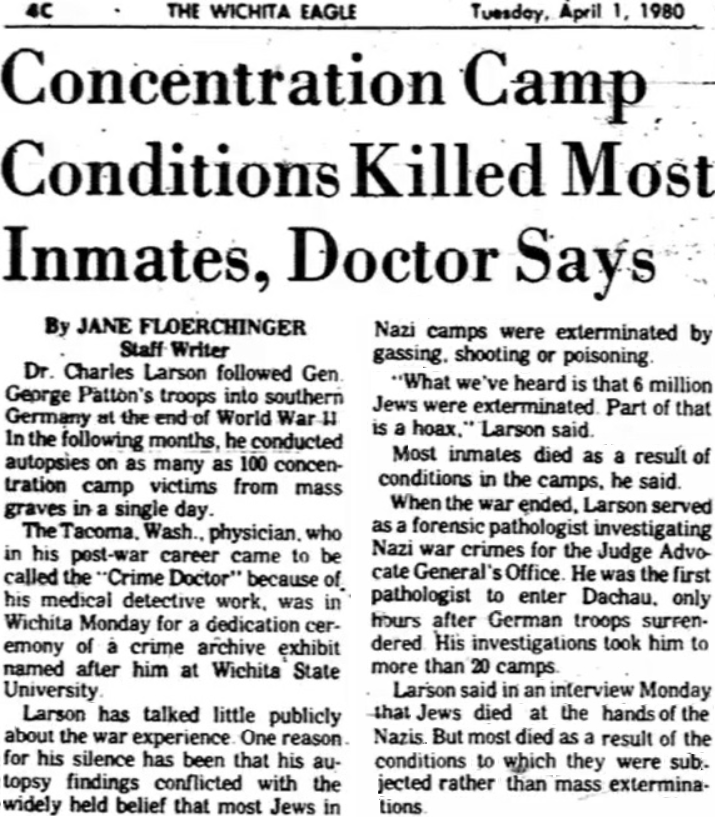
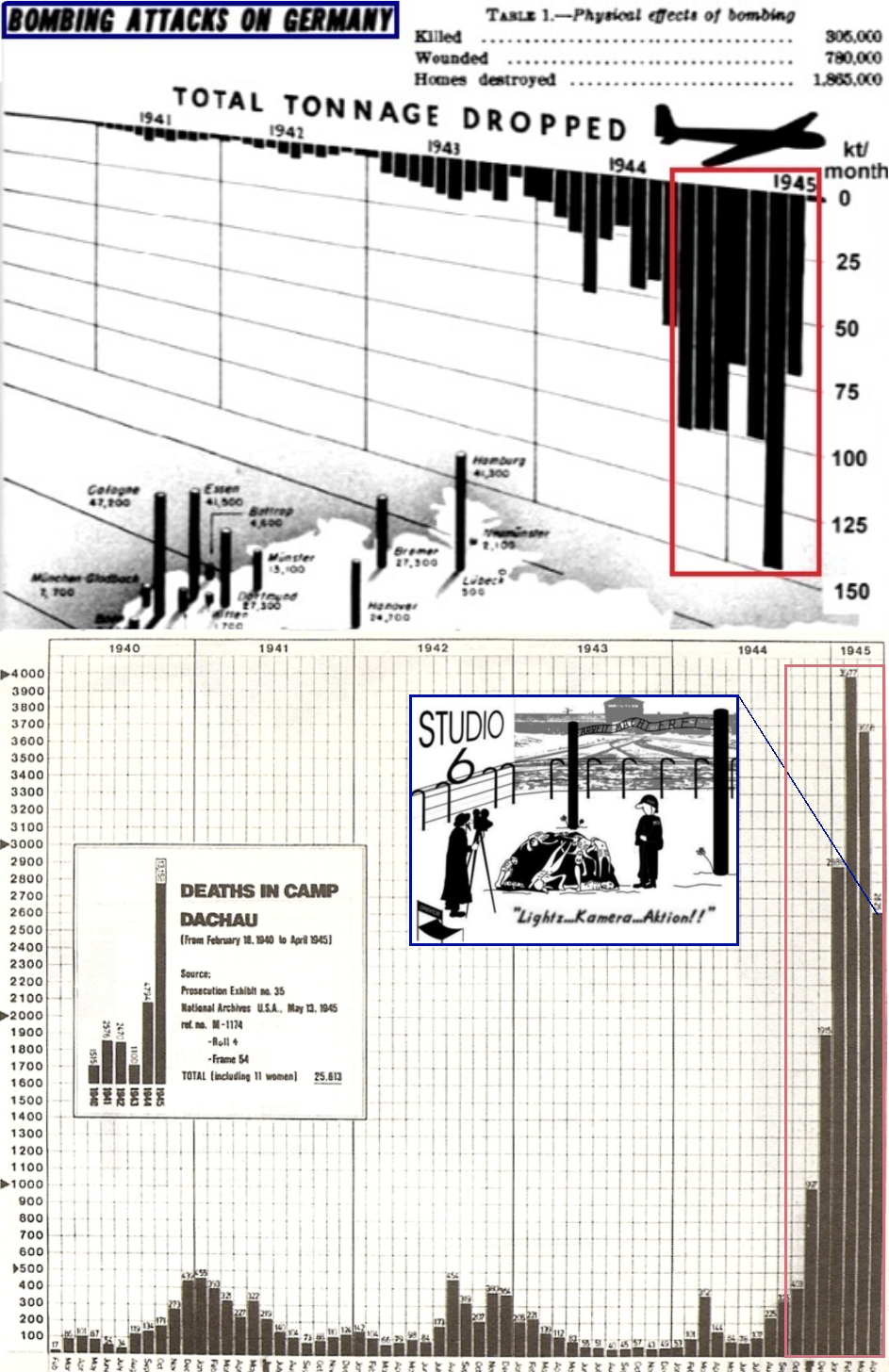
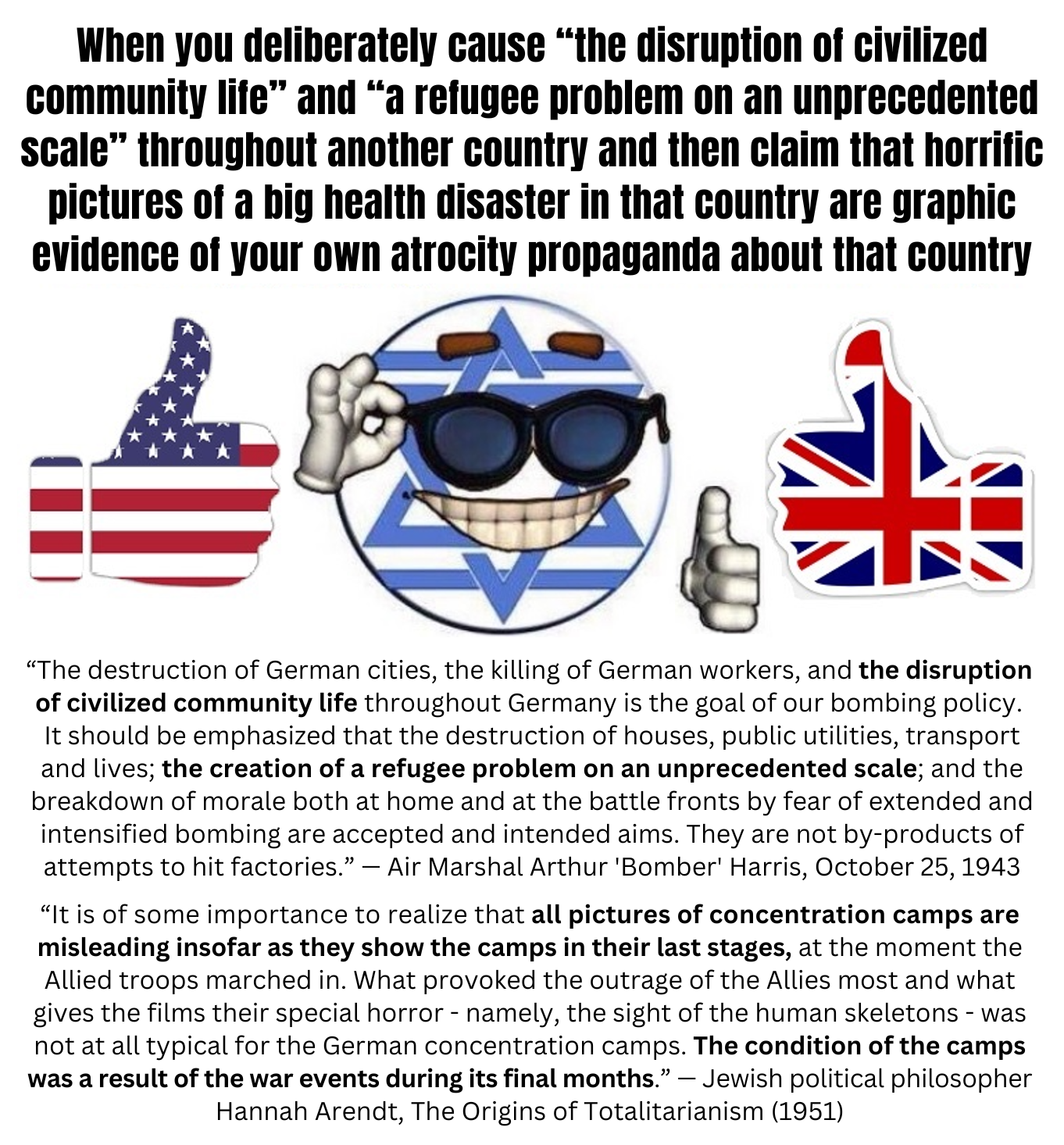
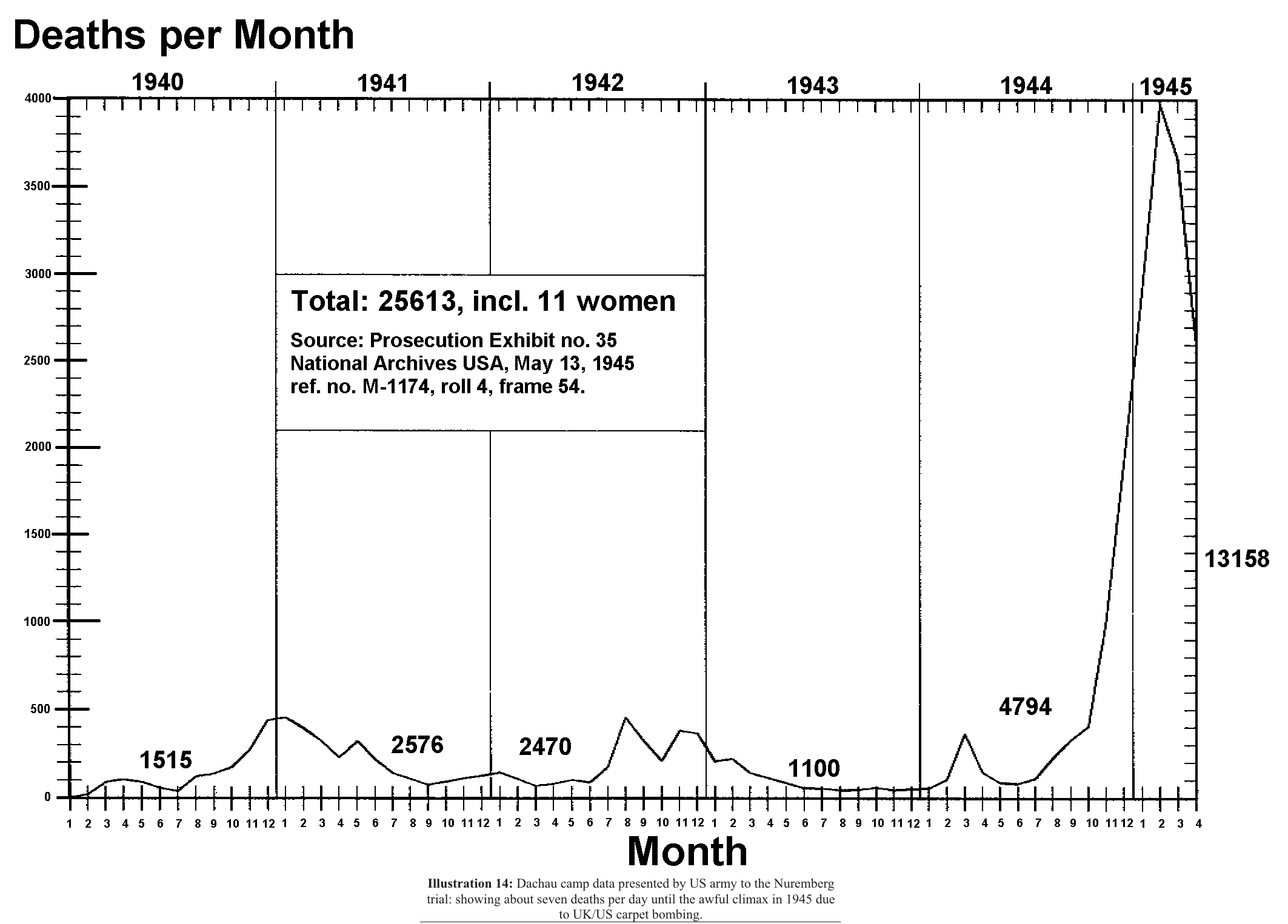
We all know about the disgusting state of the camps as found by the allied troops in Germany with mass deaths, starvation, disease ridden inmates, piles of bodies and general desperation and pitiful scenes. But by contrast Auschwitz for example was not like that at all. It would appear the camp operated properly and efficiently until the end or close to before the Red army invaded. Yes in western europe the war had ravaged train lines, supply systems, availability of food etc but why in remote Poland was a camp many times the size of Belsen etc able to keep going and not succumb to the deprivations of the other camps mentioned? Did Auschwitz have an enormous factory farm producing food and a procurement office able to buy in all the necessary requirements?
I can't quite square this circle and ask for input please. Why was Auschwitz not gripped with deprivation, bodies piled high and walking disease ridden inmates when those pesky Russkies found it? Of course the other so called death camps such as Sobibor, Chelmno, Treblinka mysteriously disappeared into thin air so not much could be shown or found out about them.
We all know about the disgusting state of the camps as found by the allied troops in Germany with mass deaths, starvation, disease ridden inmates, piles of bodies and general desperation and pitiful scenes. But by contrast Auschwitz for example was not like that at all. It would appear the camp operated properly and efficiently until the end or close to before the Red army invaded. Yes in western europe the war had ravaged train lines, supply systems, availability of food etc but why in remote Poland was a camp many times the size of Belsen etc able to keep going and not succumb to the deprivations of the other camps mentioned? Did Auschwitz have an enormous factory farm producing food and a procurement office able to buy in all the necessary requirements?
I can't quite square this circle and ask for input please. Why was Auschwitz not gripped with deprivation, bodies piled high and walking disease ridden inmates when those pesky Russkies found it? Of course the other so called death camps such as Sobibor, Chelmno, Treblinka mysteriously disappeared into thin air so not much could be shown or found out about them.