
I stand corrected, not every French government has been prepared to admit to its role in the Holocaust. At the same time, French people were tried and punished for collaboration, including assistance provided to the Nazis in identifying and arresting Jews. France has now officially applogised for that assistance. If it was a hoax and French Jews had not died in the camps and gas chambers, why would the French do that?Eye of Zyclone wrote: ↑Thu Jun 11, 2026 12:41 amThat's a false story made up after WW2. Just another myth of the French roman national. During the war years, most French people supported Marshal Pétain's pro-Axis government & policies and disregarded General De Gaulle's pro-Allies speeches on Radio Londres, which made France more of an Axis country than an Allied country.Nessie wrote: ↑Sat May 16, 2026 3:44 pmFrance did not lose. The French see themselves as an Allie that was finally victorious. The Soviets had no influence over them. So, why has every French government admitted to their role and the collaboration of many French people, in the Holocaust?Stubble wrote: ↑Sat May 16, 2026 1:58 pm They lost, you dumb fuck, and they capitulated. Under the Soviet, it was a good way to get elected, and under denazification, it was a good way to show 'purity' basically 'I'm not nazi, nazi = bad'.
How are you this deaf, and blind? Oh how i wish you were also a mute.
And not "every French government admitted to their role and the collaboration of many French people in the Holocaust." It started with Jacques Chirac (president of the French Republic from 1995 to 2007), a very corrupt politician (who used to be nicknamed "Super Menteur", which means "Super Liar"), under pressure (and bribes?) from the Zionist lobby. When the Jewish star journalist Jean-Pierre Elkabbach asked his predecessor (François Mitterand, president of the French Republic from 1981 to 1995) to apologize in the name of France for the alleged involvement of France in the Holocaust, he was curtly told that it was not going to happen and President Mitterand even called such demands "the perpetuation of hatred" (« c'est l'entretien de la haine »).
...
Comments on other threads.
Re: Comments on other threads.
Sanity Check - "Thus, currently revisionists can console themselves by affirming their incredulity..."
-
Eye of Zyclone

- Posts: 544
- Joined: Fri Apr 04, 2025 3:12 pm
Re: Comments on other threads.
Still pretending not to understand the difference between dying and being killed, I see.Nessie wrote: ↑Thu Jun 11, 2026 6:16 am The people who were resettled via Ellis Island, did not have all of their personal possessions taken from them and sold by the US authorities. The Jews sent to A-B and the AR camps did. Items such as clothing, spectacles, walking sticks and especially gold teeth, are items re-settlers would keep, or else the Nazis would have then had to provide them with such.
When you manage a population of millions of people, there is a number of people dying every day whether you move them or not. Inevitable and normal. Right now, for example, more than 8,000 Americans are dying every day. The core of this topic of course lies in the number of deaths, not in the presence or absence of dead people. The Auschwitz museum sells e.g. the story of a million mass-murdered deportees by exhibiting fewer than 500 prosthetics. That's of course a scam. A very impressive and efficient staging, but which does not prove the veracity of the horror story sold to the tourists who are duped by such tricks.
A diversionary quibbling once again. Nobody ever claimed that deporting the "Indians" to some reservations was not a resettlement. Ditto for the Palestinians imprisoned in Gaza. The word "resettlement" never implied freedom for the resettled people. Resettlement just means living in a new area after being displaced.
"Holocaust deniers are very slick people. They justify everything they say with facts and figures."
Re: Comments on other threads.
The theft of all Jewish personal possessions on arrival at the camps, is not consistent with resettlement, such as those who resettled in the USA via Ellis Island. The people who arrived there, can be traced. Some did die, but the vast majority are proven to have left, to go onwards and resettle elsewhere. You cannot do that with the vast majority of Jews sent to the AR camps and A-B Kremas.Eye of Zyclone wrote: ↑Thu Jun 11, 2026 11:55 amStill pretending not to understand the difference between dying and being killed, I see.Nessie wrote: ↑Thu Jun 11, 2026 6:16 am The people who were resettled via Ellis Island, did not have all of their personal possessions taken from them and sold by the US authorities. The Jews sent to A-B and the AR camps did. Items such as clothing, spectacles, walking sticks and especially gold teeth, are items re-settlers would keep, or else the Nazis would have then had to provide them with such.
When you manage a population of millions of people, there is a number of people dying every day whether you move them or not. Inevitable and normal. Right now, for example, more than 8,000 Americans are dying every day. The core of this topic of course lies in the number of deaths, not in the presence or absence of dead people. The Auschwitz museum sells e.g. the story of a million mass-murdered deportees by exhibiting fewer than 500 prosthetics. That's of course a scam. A very impressive and efficient staging, but which does not prove the veracity of the horror story sold to the tourists who are duped by such tricks.
If the Jews sent to the AR camps and A-B Kremas, were resettled by sending them to concentration camps, by 1944, there would be millions of Jews in those camps, which would leave a lot of evidence. Instead, many camps were closing and A-B had a smaller population than it had in 1943. They were not being resettled to the ghettos as they had all closed down by the autumn of 1944.A diversionary quibbling once again. Nobody ever claimed that deporting the "Indians" to some reservations was not a resettlement. Ditto for the Palestinians imprisoned in Gaza. The word "resettlement" never implied freedom for the resettled people. Resettlement just means living in a new area after being displaced.
The evidence of millions of Jews being arrested, transported and then disappearing inside certain specific camps, is circumstantial evidence, that is consistent with the corroborating evidence of mass murder, that proves the Holocaust.
Sanity Check - "Thus, currently revisionists can console themselves by affirming their incredulity..."
-
Eye of Zyclone
- Posts: 544
- Joined: Fri Apr 04, 2025 3:12 pm
Re: Comments on other threads.
Mainly for 3 reasons.Nessie wrote: ↑Thu Jun 11, 2026 6:20 amI stand corrected, not every French government has been prepared to admit to its role in the Holocaust. At the same time, French people were tried and punished for collaboration, including assistance provided to the Nazis in identifying and arresting Jews. France has now officially applogised for that assistance. If it was a hoax and French Jews had not died in the camps and gas chambers, why would the French do that?Eye of Zyclone wrote: ↑Thu Jun 11, 2026 12:41 amThat's a false story made up after WW2. Just another myth of the French roman national. During the war years, most French people supported Marshal Pétain's pro-Axis government & policies and disregarded General De Gaulle's pro-Allies speeches on Radio Londres, which made France more of an Axis country than an Allied country.
And not "every French government admitted to their role and the collaboration of many French people in the Holocaust." It started with Jacques Chirac (president of the French Republic from 1995 to 2007), a very corrupt politician (who used to be nicknamed "Super Menteur", which means "Super Liar"), under pressure (and bribes?) from the Zionist lobby. When the Jewish star journalist Jean-Pierre Elkabbach asked his predecessor (François Mitterand, president of the French Republic from 1981 to 1995) to apologize in the name of France for the alleged involvement of France in the Holocaust, he was curtly told that it was not going to happen and President Mitterand even called such demands "the perpetuation of hatred" (« c'est l'entretien de la haine »).
...
1) Getting elected requires a lot of money and media coverage. As a consequence, the policians who want to become presidents or ministers need to get financial support from wealthy Jews and can't afford to antagonize the Jew-owned mass media. Giving the Zionists what they want has become a must in the politics of today's democracies.
2) Disbelieving the Holocaust is now a penal offense in France. No French man or woman, whether he/she is a politician or not, can publicly express doubts about the Holocaust without going to jail for it.
3) Politicians are not historians or scholars. Most of them just rely on what orthodox/antirevisionist historians say about it. Jean-Marie Le Pen was severely punished and massively vilified for expressing doubts about the gas-chamber story in 1987. A politician denying the Holocaust is now a career suicide in France and most other dominions of Jewry's empire.
"Holocaust deniers are very slick people. They justify everything they say with facts and figures."
Re: Comments on other threads.
You have missed out a critical reason why the French do not deny assistance was given to the Nazis and many French Jews died. That reason is the evidence of that assistance and the deaths. For a French government to deny France's role, they would have to produce evidence to prove assistance was not provided and the Jews survived, which can be done for the majority of French Jews. Le Pen could not evidence his claims, hence he was vilified.Eye of Zyclone wrote: ↑Thu Jun 11, 2026 12:33 pmMainly for 3 reasons.Nessie wrote: ↑Thu Jun 11, 2026 6:20 amI stand corrected, not every French government has been prepared to admit to its role in the Holocaust. At the same time, French people were tried and punished for collaboration, including assistance provided to the Nazis in identifying and arresting Jews. France has now officially applogised for that assistance. If it was a hoax and French Jews had not died in the camps and gas chambers, why would the French do that?Eye of Zyclone wrote: ↑Thu Jun 11, 2026 12:41 am
That's a false story made up after WW2. Just another myth of the French roman national. During the war years, most French people supported Marshal Pétain's pro-Axis government & policies and disregarded General De Gaulle's pro-Allies speeches on Radio Londres, which made France more of an Axis country than an Allied country.
And not "every French government admitted to their role and the collaboration of many French people in the Holocaust." It started with Jacques Chirac (president of the French Republic from 1995 to 2007), a very corrupt politician (who used to be nicknamed "Super Menteur", which means "Super Liar"), under pressure (and bribes?) from the Zionist lobby. When the Jewish star journalist Jean-Pierre Elkabbach asked his predecessor (François Mitterand, president of the French Republic from 1981 to 1995) to apologize in the name of France for the alleged involvement of France in the Holocaust, he was curtly told that it was not going to happen and President Mitterand even called such demands "the perpetuation of hatred" (« c'est l'entretien de la haine »).
...
1) Getting elected requires a lot of money and media coverage. As a consequence, the policians who want to become presidents or ministers need to get financial support from wealthy Jews and can't afford to antagonize the Jew-owned mass media. Giving the Zionists what they want has become a must in the politics of today's democracies.
2) Disbelieving the Holocaust is now a penal offense in France. No French man or woman, whether he/she is a politician or not, can publicly express doubts about the Holocaust without going to jail for it.
3) Politicians are not historians or scholars. Most of them just rely on what orthodox/antirevisionist historians say about it. Jean-Marie Le Pen was severely punished and massively vilified for expressing doubts about the gas-chamber story in 1987.
It has not mattered what government was in power, or the attitude of French leaders to the Holocaust, no government official has come forward and blown the hoax. The same applies all across Europe, except in Denmark and Finland. They can evidence what happened to the vast majority of their Jewish citizens and their survival. Why do those two countries get to not be part of the hoax?
Sanity Check - "Thus, currently revisionists can console themselves by affirming their incredulity..."
-
Eye of Zyclone
- Posts: 544
- Joined: Fri Apr 04, 2025 3:12 pm
Re: Comments on other threads.
If an enemy of America had conquered and occupied the United States, he could easily have "vaporized" all the archives he wanted to conceal for a reason or another, including the Ellis Island migration records. That's what happened to Germany and all the German-occupied lands. The storage and release of archives is a politically-motivated partial selective process. For instance, millions of documents were destroyed during the French revolution and lost forever. And between the 1950s and 1980s, Britain covertly removed and concealed tens of thousands of sensitive documents from dozens of former colonies to hide evidence of imperial abuses. This secret cache, known as the "migrated archives," was hidden at a secure government facility until a 2011 legal challenge forced their declassification.Nessie wrote: ↑Thu Jun 11, 2026 12:25 pm The theft of all Jewish personal possessions on arrival at the camps, is not consistent with resettlement, such as those who resettled in the USA via Ellis Island. The people who arrived there, can be traced. Some did die, but the vast majority are proven to have left, to go onwards and resettle elsewhere. You cannot do that with the vast majority of Jews sent to the AR camps and A-B Kremas.
Archives Lost: The French Revolution and the Destruction of Medieval French Manuscripts
By Thomas Lecaque
There is a moment, while contemplating gaps in the archival record as a medievalist, when we are then tempted to focus on the “bibliocide” of the past, to mourn the death of records that would have offered insight into our narrow, chosen fields. For French medievalists like myself, the French Revolution represents at once a fundamental shift towards modernity and an irrevocable loss of medieval materiality. Mobs burst into the monastery, cathedral, parish church, castle, or palace, dragged the manuscripts out of the armoires where they had been stored for centuries, piled them in a mound in a public place, and lit the patrimony of the nation on fire.
The destruction of medieval texts was part of a well-established pattern of destruction of title deeds, charters, and other business records that established land controls and rents, with notable documents stretching from the high Middle Ages on. By burning genealogies, cartularies, title papers, and registers, revolutionary officials and mobs of local citizens dispossessed the nobility and removed legal cases against the actual inhabitants of the land, while simultaneously destroying some of the richest sources for the political, social, and economic histories of medieval France. Writ large, however, the estimate is that during the French Revolution, more than FOUR MILLION VOLUMES were burnt from suppressed monasteries, of which 25,000 were medieval manuscripts.
Why did these documents, this particular incarnation of the past, these ‘feudals’ have to die? Book burning, with all of the modern baggage attached to it, is not a simple act of wanton destruction, it is a purposeful reshaping of intellectual, cultural, and historical thought and life for concrete purpose. The documents called “feudals” were a particular form of medieval legal control undertaken by the aristocracy, clergy, and monasteries, and for centuries, since the Middle Ages themselves, rebelling groups of peasants and townsfolk had assaulted archives, “not [as] the revenge of a residually oral culture against the appurtenances of a literacy that was threatening because [it was] alien and mysterious,” but rather a “precise targeting of legal instruments.” Wat Tyler’s rebellion in England in 1381 specifically targeted documents, with rebels breaking into houses, castles, and government offices; then they “burnt the Rolls touching the Crown of our Lord the King, and the Rolls of the office of Receiver of Green wax from the county of Kent,” or the “charters, writings, and divers muniments there found.”
https://ageofrevolutions.com/2019/04/29 ... nuscripts/

Is anybody gullible enough to believe that the Soviets and the Allies were dumb enough to store and release German documents so obviously contradicting their own war propaganda ???
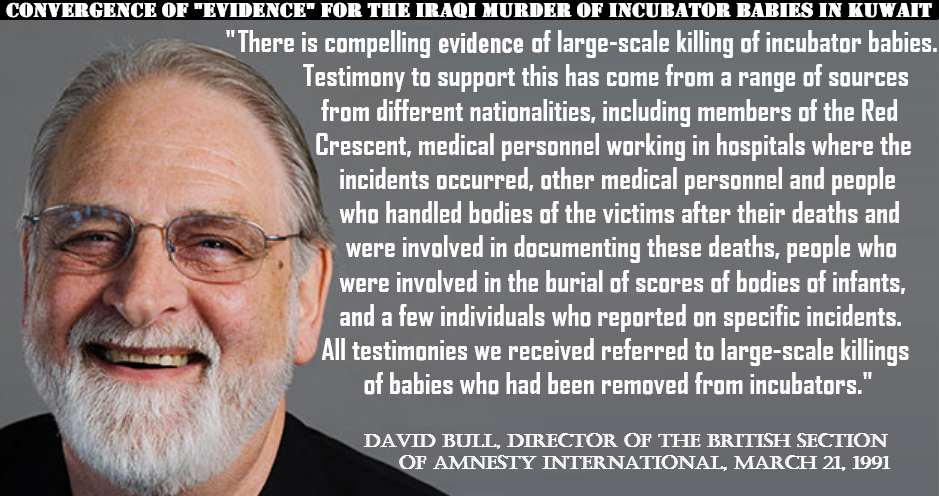
Anyway, you're reversing the burden of proof, as usually. An atrocity story is not true until proven false. An atrocity story is false until proven true with solid evidence and a fair contradictory debate. The atrocity story of Kuwaiti incubator babies killed by Saddam Hussein's troops is not true until proven false. It's false until proven true with solid (i.e. non-testimonial) evidence and a fair contradictory debate.
"Holocaust deniers are very slick people. They justify everything they say with facts and figures."
-
Eye of Zyclone
- Posts: 544
- Joined: Fri Apr 04, 2025 3:12 pm
Re: Comments on other threads.
You patently don't know a thing about it. Most of the Jews who were deported from France during WW2 were not French Jews. They were Jewish foreigners who didn't have French citizenship and had no good reason to resettle in France (a country that had arrested them and handed them over to the Germans) after the war, when when opportunities to migrate to the United States, British countries and Jew-ocupied Palestine were given to them.Nessie wrote: ↑Thu Jun 11, 2026 12:43 pm You have missed out a critical reason why the French do not deny assistance was given to the Nazis and many French Jews died. That reason is the evidence of that assistance and the deaths. For a French government to deny France's role, they would have to produce evidence to prove assistance was not provided and the Jews survived, which can be done for the majority of French Jews.
That's ridiculous. Stating things they can't evidence is the job of politicians. If stating things they can't evidence meant the destruction of the politicians' careers in a modern democracy, there wouldn't be any left for a long time.
And that's also false. Jean-Marie Le Pen was vilified for merely stating "I haven't specifically studied the topic [of Nazi gas chambers]" (je n'ai pas spécifiquement étudié la question). He didn't even say that the Holocaust is a propaganda lie. He only tried to elude the topic, but that was enough to have his career destroyed by the B'nai B'rith and Jewish mass media.
Not those countries. Their politicians. Nuance. And the answer is huge Zionist pressures. Of course.Nessie wrote: ↑Thu Jun 11, 2026 12:43 pm It has not mattered what government was in power, or the attitude of French leaders to the Holocaust, no government official has come forward and blown the hoax. The same applies all across Europe, except in Denmark and Finland. They can evidence what happened to the vast majority of their Jewish citizens and their survival. Why do those two countries get to not be part of the hoax?
"Holocaust deniers are very slick people. They justify everything they say with facts and figures."
-
Eye of Zyclone
- Posts: 544
- Joined: Fri Apr 04, 2025 3:12 pm
Re: Comments on other threads.
I forgot the 4th reason.
4) Under the New World Order, the top politicians of France and many other coutries are great-replacing the native peoples of their administrative districts and the fictive Nazi gas chambers are the most important tale of the Globalist mythology. Hence their refusal of challenge to the myth of the Nazi gas chambers and their gag laws to protect it from public debunking and exposure.
4) Under the New World Order, the top politicians of France and many other coutries are great-replacing the native peoples of their administrative districts and the fictive Nazi gas chambers are the most important tale of the Globalist mythology. Hence their refusal of challenge to the myth of the Nazi gas chambers and their gag laws to protect it from public debunking and exposure.
"Holocaust deniers are very slick people. They justify everything they say with facts and figures."
Re: Comments on other threads.
When you allege a hoax and the mass destruction of evidence to hide the presence of millions of Jews alive in camps in 1944-5, it is up to you to produce the evidence. You are clearly unable to do that, so you make unevidenced allegations. Only a die hard conspiracist, accepts the Holocaust as a hoax, with no evidence of it being hoaxed. I want to see evidence from whistleblowers, who destroyed documents and organised the liberation of millions of Jews, without leaving evidence of that happening.Eye of Zyclone wrote: ↑Thu Jun 11, 2026 1:18 pmIf an enemy of America had conquered and occupied the United States, he could easily have "vaporized" all the archives he wanted to conceal for a reason or another, including the Ellis Island migration records. That's what happened to Germany and all the German-occupied lands...Nessie wrote: ↑Thu Jun 11, 2026 12:25 pm The theft of all Jewish personal possessions on arrival at the camps, is not consistent with resettlement, such as those who resettled in the USA via Ellis Island. The people who arrived there, can be traced. Some did die, but the vast majority are proven to have left, to go onwards and resettle elsewhere. You cannot do that with the vast majority of Jews sent to the AR camps and A-B Kremas.
Is anybody gullible enough to believe that the Soviets and the Allies were dumb enough to store and release German documents so obviously contradicting their own war propaganda ???
Anyway, you're reversing the burden of proof, as usually. An atrocity story is not true until proven false...
Sanity Check - "Thus, currently revisionists can console themselves by affirming their incredulity..."
Re: Comments on other threads.
There are enough anti-Semites in France and enough French people who would not accept having to accept blame for something they did not do, that a hoax is impossible to pull off. Your claim relies on all French people being cowards.Eye of Zyclone wrote: ↑Thu Jun 11, 2026 2:30 pm I forgot the 4th reason.
4) Under the New World Order, the top politicians of France and many other coutries are great-replacing the native peoples of their administrative districts and the fictive Nazi gas chambers are the most important tale of the Globalist mythology. Hence their refusal of challenge to the myth of the Nazi gas chambers and their gag laws to protect it from public debunking and exposure.
Again, you have ignored that to challenge the Holocaust and to prove France was not involved, needs evidence.
Sanity Check - "Thus, currently revisionists can console themselves by affirming their incredulity..."
Re: Comments on other threads.
You are still demanding that I believe in a false narrative without any evidence. Prove to me that the Jews handed over to the Nazis, that the French accept were murdered, did in fact live and were liberated in 1945.Eye of Zyclone wrote: ↑Thu Jun 11, 2026 1:44 pmYou patently don't know a thing about it. Most of the Jews who were deported from France during WW2 were not French Jews. They were Jewish foreigners who didn't have French citizenship and had no good reason to resettle in France (a country that had arrested them and handed them over to the Germans) after the war, when when opportunities to migrate to the United States, British countries and Jew-ocupied Palestine were given to them.Nessie wrote: ↑Thu Jun 11, 2026 12:43 pm You have missed out a critical reason why the French do not deny assistance was given to the Nazis and many French Jews died. That reason is the evidence of that assistance and the deaths. For a French government to deny France's role, they would have to produce evidence to prove assistance was not provided and the Jews survived, which can be done for the majority of French Jews.
Too many politicians are like Holocaust revisionists as they are detached from evidencing their claims.That's ridiculous. Stating things they can't evidence is the job of politicians. If stating things they can't evidence meant the destruction of the politicians' careers in a modern democracy, there wouldn't be any left for a long time.
His denial was low level minimisation and doubt, for which he provided zero sources of evidence.And that's also false. Jean-Marie Le Pen was vilified for merely stating "I haven't specifically studied the topic [of Nazi gas chambers]" (je n'ai pas spécifiquement étudié la question). He didn't even say that the Holocaust is a propaganda lie. He only tried to elude the topic, but that was enough to have his career destroyed by the B'nai B'rith and Jewish mass media.
The politicians of Denmark and Finland were the only two who stood up to Zionism and refused to participate in the hoax. You really expect me to believe that, with no evidence!Not those countries. Their politicians. Nuance. And the answer is huge Zionist pressures. Of course.Nessie wrote: ↑Thu Jun 11, 2026 12:43 pm It has not mattered what government was in power, or the attitude of French leaders to the Holocaust, no government official has come forward and blown the hoax. The same applies all across Europe, except in Denmark and Finland. They can evidence what happened to the vast majority of their Jewish citizens and their survival. Why do those two countries get to not be part of the hoax?
Sanity Check - "Thus, currently revisionists can console themselves by affirming their incredulity..."
-
Eye of Zyclone
- Posts: 544
- Joined: Fri Apr 04, 2025 3:12 pm
Re: Comments on other threads.
You don't have the same evidentiary standards when Holohoaxers claim that the Nazis destroyed all the tangible proofs of their alleged crimes (including with alleged bonfires of incriminating documents at the very end of WW2), do you ?Nessie wrote: ↑Thu Jun 11, 2026 2:48 pm When you allege a hoax and the mass destruction of evidence to hide the presence of millions of Jews alive in camps in 1944-5, it is up to you to produce the evidence. You are clearly unable to do that, so you make unevidenced allegations. Only a die hard conspiracist, accepts the Holocaust as a hoax, with no evidence of it being hoaxed. I want to see evidence from whistleblowers, who destroyed documents and organised the liberation of millions of Jews, without leaving evidence of that happening.

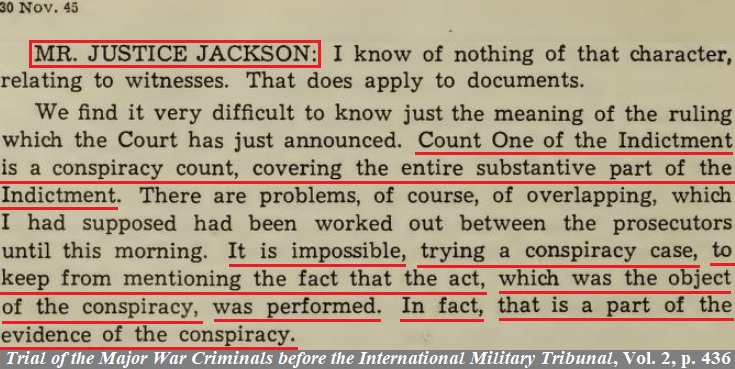
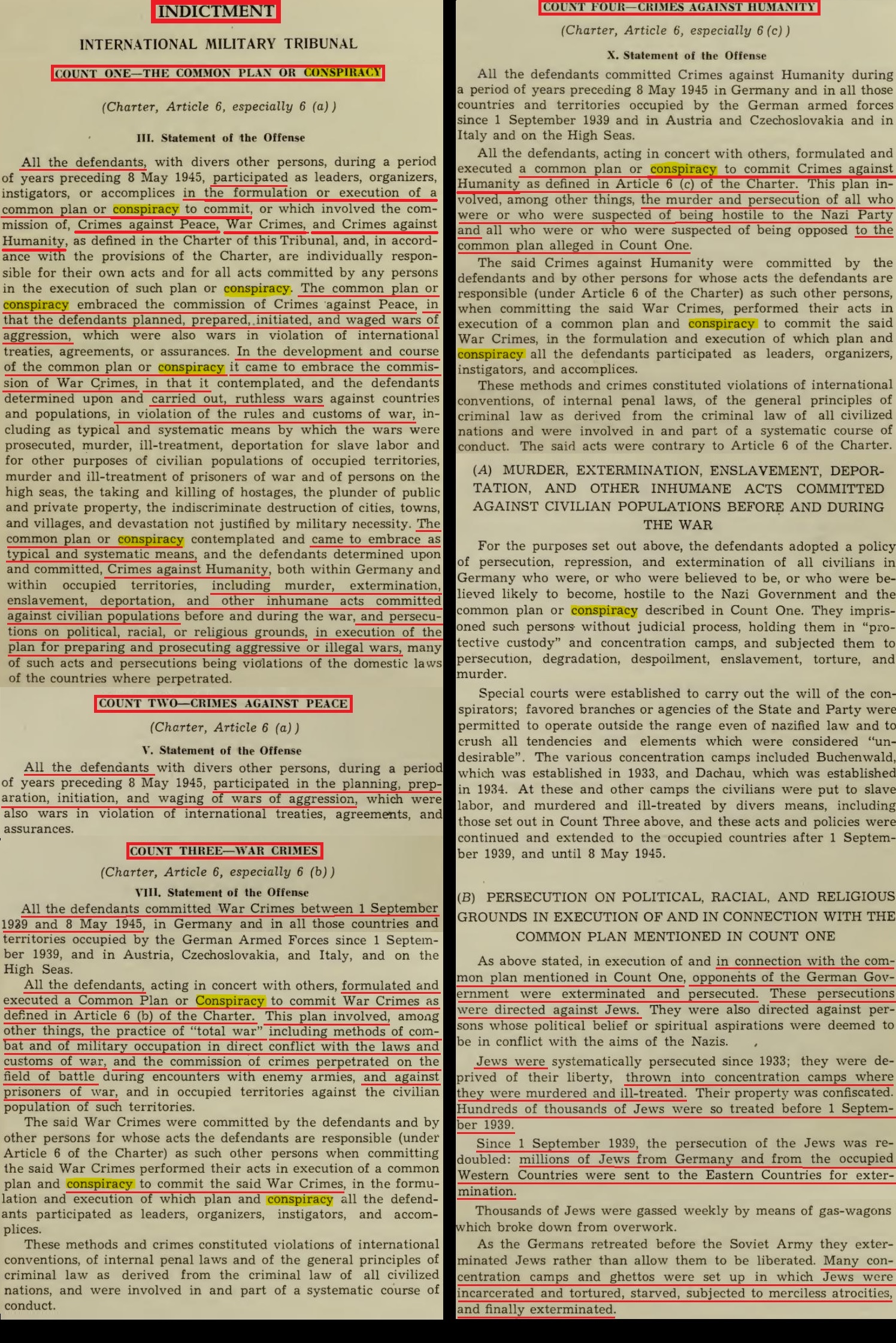
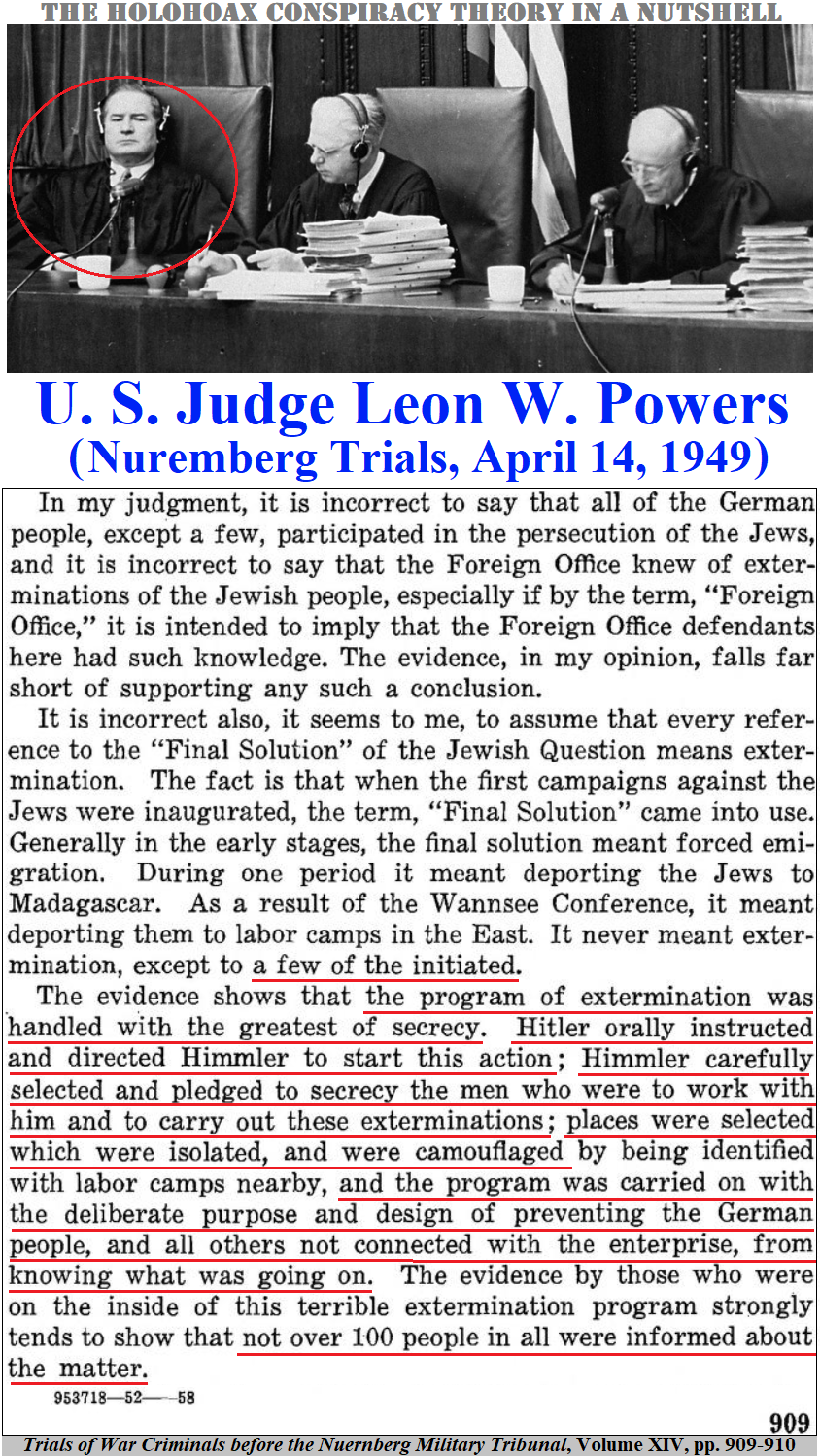
Nope. All Holohoaxers accepts the Holocaust as a hoax with no evidence of it being hoaxed. This is the orthodox/antirevisionist conspiracy theory that was concocted and told at the Nuremberg parody of justice after WW2.
"Holocaust deniers are very slick people. They justify everything they say with facts and figures."
-
Eye of Zyclone
- Posts: 544
- Joined: Fri Apr 04, 2025 3:12 pm
Re: Comments on other threads.
Being cowards or in jail. And for most of them, simply ignorant on the subject (how could it be otherwise in a country where the topic cannot be freely discussed?). Who could anyone possibly know anything about a top secret operation only known to 89 people and allegedly carried out in a foreign country 8 decades ago ? That's axiomatically absurd !Nessie wrote: ↑Thu Jun 11, 2026 2:50 pmThere are enough anti-Semites in France and enough French people who would not accept having to accept blame for something they did not do, that a hoax is impossible to pull off. Your claim relies on all French people being cowards.Eye of Zyclone wrote: ↑Thu Jun 11, 2026 2:30 pm I forgot the 4th reason.
4) Under the New World Order, the top politicians of France and many other coutries are great-replacing the native peoples of their administrative districts and the fictive Nazi gas chambers are the most important tale of the Globalist mythology. Hence their refusal of challenge to the myth of the Nazi gas chambers and their gag laws to protect it from public debunking and exposure.

Nope. This is again your usual reverse burden of proof. No evidence is needed to challenge an unproven thing. Unicorns are not real until proven unreal. They are unreal until proven real. Do you understand how it works now ?

"Holocaust deniers are very slick people. They justify everything they say with facts and figures."
-
Eye of Zyclone
- Posts: 544
- Joined: Fri Apr 04, 2025 3:12 pm
Re: Comments on other threads.
Nope. Prove me they were murdered or go back to hunting dragons and witches in the Middle Ages, where your flawed burden of proof belongs.

Are you saying this because Denmark and Finland don't have antirevisionist laws YET ? The most likely explanation is that Denmark and Finland are just too unimportant and forgotten countries for having already been put under pressure about it. But be patient. It will come when necessary or if necessary someday.
"Holocaust deniers are very slick people. They justify everything they say with facts and figures."
Re: Comments on other threads.
If I claim that the British bombing raid on Dresden was a hoax, is there no burden of proof on me to prove that hoax?Eye of Zyclone wrote: ↑Thu Jun 11, 2026 4:00 pmNope. Prove me they were murdered or go back to hunting dragons and witches in the Middle Ages, where your flawed burden of proof belongs.
You are claiming that there is no burden of proof on you to claim that the mass murder of French Jews at A-B is a hoax and that I have to prove they were mass murdered.
Why are Finland and Denmark able to not participate in the hoax? But every other European country has to?Are you saying this because Denmark and Finland don't have antirevisionist laws YET ? The most likely explanation is that Denmark and Finland are just too unimportant and forgotten countries for having already been put under pressure about it. But be patient. It will come when necessary or if necessary someday.
Sanity Check - "Thus, currently revisionists can console themselves by affirming their incredulity..."